


Municipal decay meets the quiet, crushing weight of working-class survival. In his latest collection, Joe Ollmann operates with what seems to be his unique special ingredient: jaded empathy. His mastery of grim, empathetic realism shines in The Woodchipper. Ollmann drafts such specific characters who seem defined by their own decline. It’s that sense of deterioration that he does really well.
The Woodchipper Drawn & Quarterly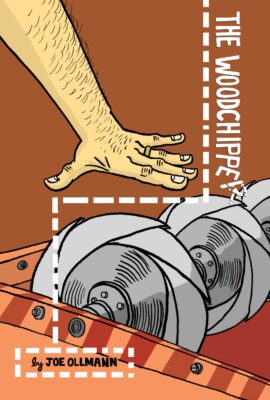
Joe Ollmann
$35.00
paperback
216pp
9781770468238
Though the physical disaster is avoided, the psychological collapse is total: Charles is soon haunted by what he identifies as “unwanted thought syndrome,” an intrusive, internal loop that renders everyday objects like coffee grinders and blenders into triggers for debilitating PTSD. His subsequent spiral into OxyContin addiction, and his eventual public shaming via a viral video, create a portrait of a man destroyed by the proximity to a tragedy that never quite arrived. Ollmann’s shaky, heavily inked lines suggest a human hand that is tired, and deeply invested in the grit of the story.
Ollmann’s ability to find dark, existential comedy in airless spaces continues in “Nestled All Snug.” Set in a bookstore appropriately named “Book Freak,” the story follows Sasha, who chooses to work alone on Christmas Eve. It is a decision that leads to her being literally trapped in a bathroom by a toppled stack of return boxes. The story transforms into a locked room mystery, where the only thing being solved is the persistence of her own alienation. The “high noise” environment of the cluttered bookstore reinforces the mental clutter Sasha is attempting to organize.
In “Meat,” Kara, a security guard who views herself as “Paul Blart with a moral compass,” navigates the tension between a petty authoritarian coworker, and a group of animal rights activists. Kara’s accidental tether to Xia, a vegan protestor, leads her from the front gate, straight into the core of the plant’s research lab. Before the heavy security protocols kick in, a human glitch happens, and the two just end up eating together at Char Burger. Over onion rings and root beer is where they find an oddly peaceful middle ground.
Whether exploring the domestic fatigue of a long-term marriage in “The Thought That Counts” or the silent labour of a motel janitor in “The Late Checkout,” Ollmann perfectly captures the feeling of small, everyday tragedies. The Woodchipper is an often uncomfortable read that refuses easy redemption. Through his use of thick, deliberate lines and crowded panels, Ollmann perfectly captures the claustrophobia of his subjects’ lives, while offering a look at the trauma of the “near-miss” and the search for grace amidst the rubble.
Ollmann reminds us that while we are all trying to avoid the blades of our own personal woodchippers, the true tragedy is often the internal machinery that keeps spinning long after the engine has been cut. From the claustrophobic panic of a bookstore bathroom in “The Late Checkout” to the industrial drudgery of the slaughterhouse of “Meat,’’ Ollmann captures the unglamorous reality of the working class. The collection is a masterclass in grounded storytelling. It creates a world that feels undeniably real, populated by people who are just trying to survive their own intrusive thoughts. There is a strange, quiet peace to be found in seeing these struggles mapped out with such accuracy.mRb
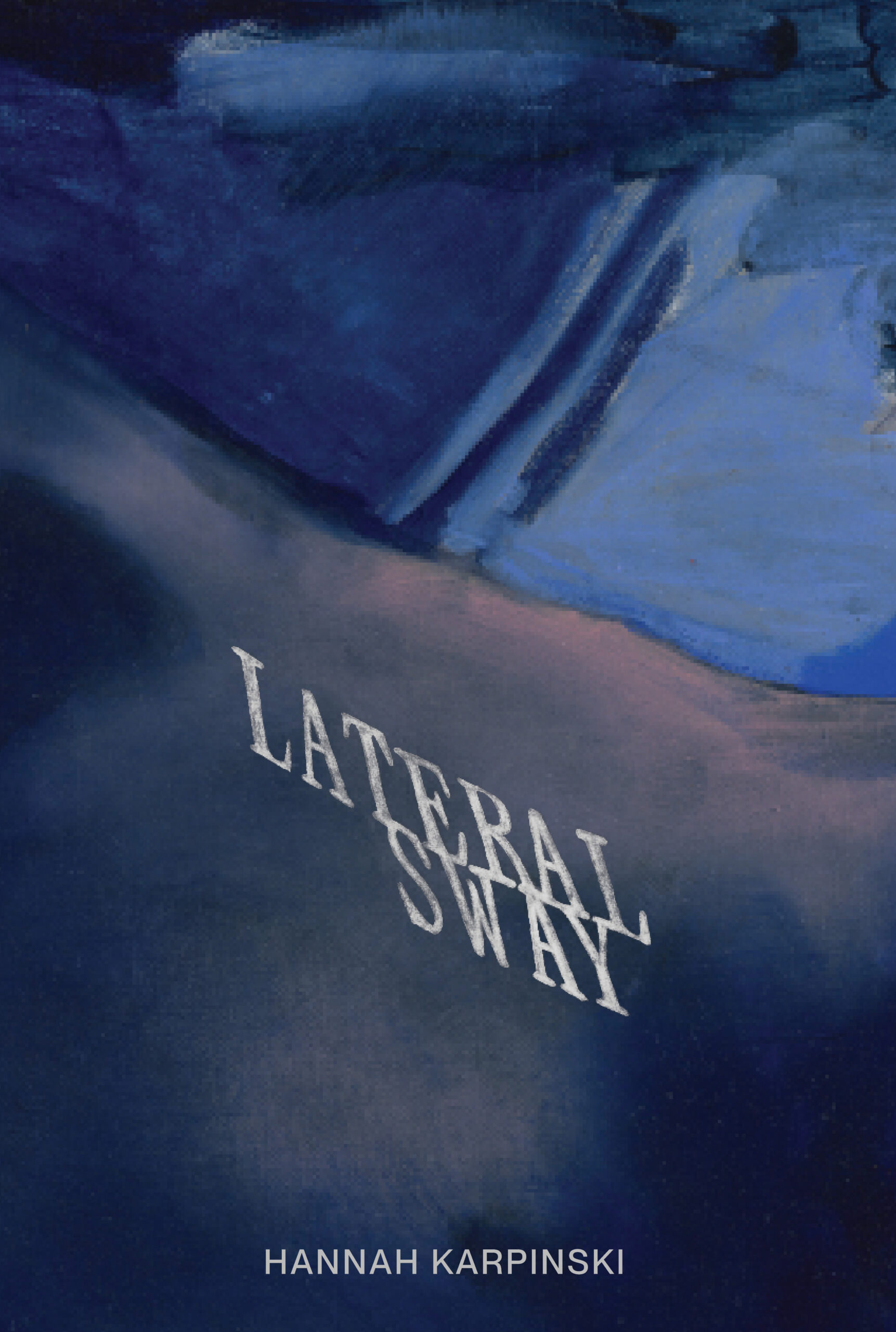
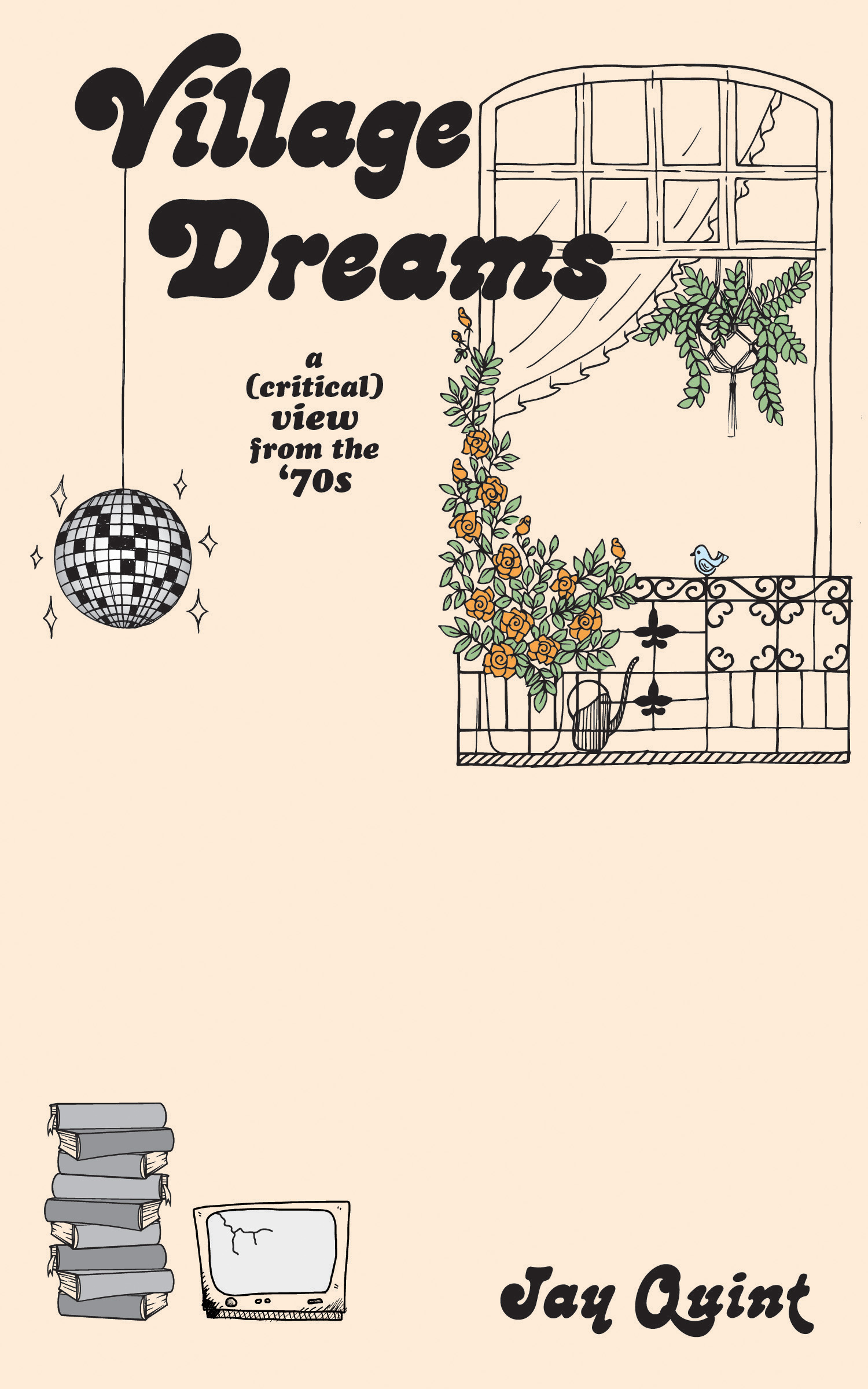

Thanks for the review it was a great read!