


From hormonal shifts to pregnancies, heartbreaks, and the tragedies that shape our lives, every woman has felt, or been accused of being, a little crazy sometimes. Author and poet Robin Blackburn McBride explores women’s mental health in River of Dreams, a novel she describes as both metaphysical and historical fiction. The latter for its setting: Toronto in the early twentieth century, a time when women could be institutionalized when deemed hysterical. The former, because McBride speaks to the ghosts haunting these bouts of insanity – the lost children, the abusers, the dead parents.
River of Dreams Guernica Editions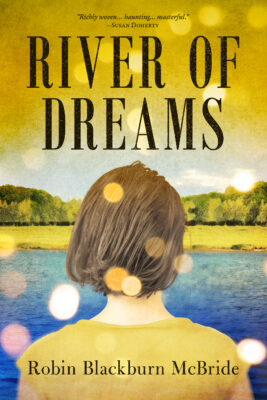
Robin Blackburn McBride
$24.95
paperback
250pp
9781778490309
McBride’s novel unfurls across a series of dream-like vignettes split in small chapters that can be quickly devoured. She evokes a gothic-noir ambiance, enhanced by the supernatural side of the story. Perhaps it’s the time frame (the early 1920s), or the mention of men wearing fedoras, but I could imagine darkly lit streets framed by fog, a shadowy hospital basement, rustic country houses, and swanky downtown hotels. There’s a version of this novel that could easily swerve into horror, with scenes featuring a clairvoyant in an old, dusty theatre, or a patient burying a doll. It all feels so macabre. But what McBride opts for is something far more gentle.
Somewhere between the tragic stories of Avery’s patients, she meets a man, a doctor named Leif who works at the same hospital. Considering what’s happening in parallel to this meet-cute, including stories of sexual abuse and self-harm, I couldn’t help but feel dread at this masculine presence, like surely something very bad would happen to this circle of mutual female understanding if a man entered it. He is the weak point of the story for me. Leif brings light and love; he is a blank slate of acceptance for Avery’s oddities. Much of their conversations revolve around her trying to push him away, emphasizing how weird she is; too weird for him, such a good man.
The rest of the novel centres on acceptance and the love of women listening to women and giving each other the space to be a little insane, especially when the world is pushing them to the brink. I enjoyed this sweet, feminist tale, pulled together from a darker history and carried by the author’s delicate, lovely prose. It’s romantic and hopeful, sometimes a tinge corny, but perhaps that’s a nice thing to accept in your life and this mad world once in a while. Even if it sometimes involves a man.mRb


0 Comments