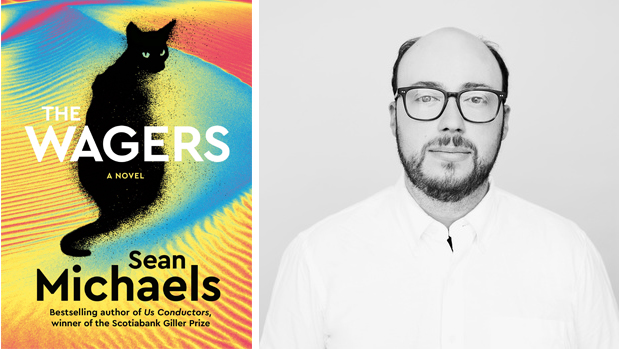
Sean Michaels’s second novel is about luck. The Wagers also casts a tender, incandescent light on ramshackle grocery stores, extended families, stand-up comedy, sibling rivalry, romantic and platonic love, art-making, and an unnamed city that looks uncannily like Montreal.
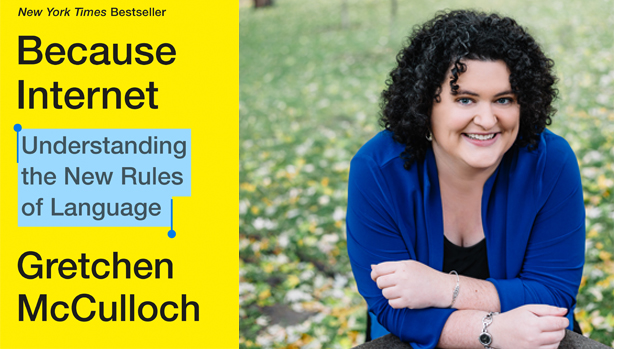
Gretchen McCulloch's book, Because Internet: Understanding the New Rules of Language, is a study of what she calls “informal writing” and how it’s flourished in the online era.
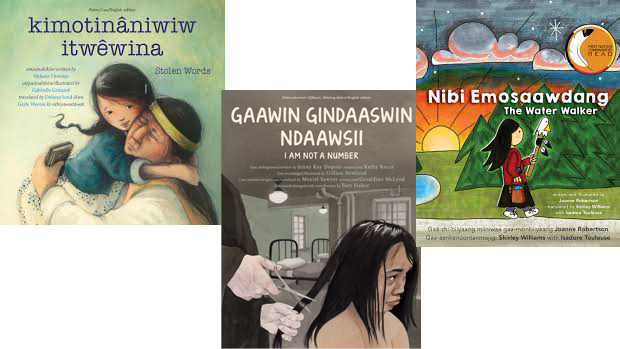
The point is to make Indigenous languages and cultures in Canada, bizarrely, less foreign and more familiar to young readers. It’s part of a global movement to save Indigenous languages from extinction, an effort that’s having a bit of a moment.
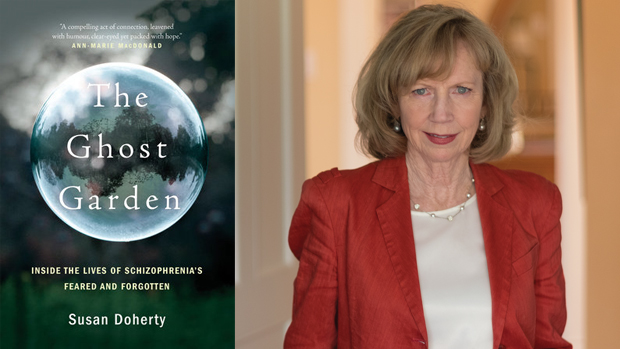
Be warned: reading The Ghost Garden may change you. Susan Doherty, a petite woman with shining blue eyes and a ready smile, is doing big, radical things in the field of mental health – the kinds of things that might inspire you to pitch in and help. At the very least, the book risks challenging misconceptions you may hold about schizophrenia.
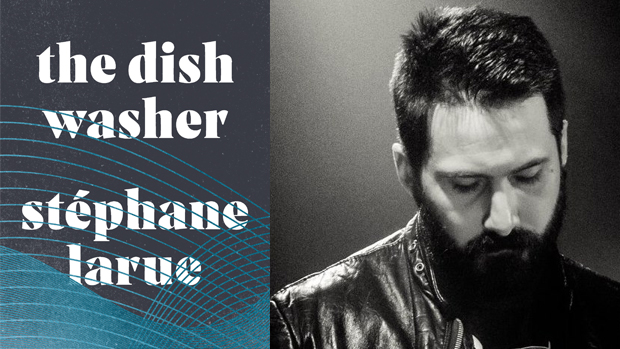
Set in the belly of a high-end Montreal restaurant at the turn of the millennium, the novel is narrated by an unwitting nineteen-year-oldi plongeur who has just started his first job in a professional kitchen. Larue’s prose is expertly infused with the sights, smells, and exhausting physical labour of the job.
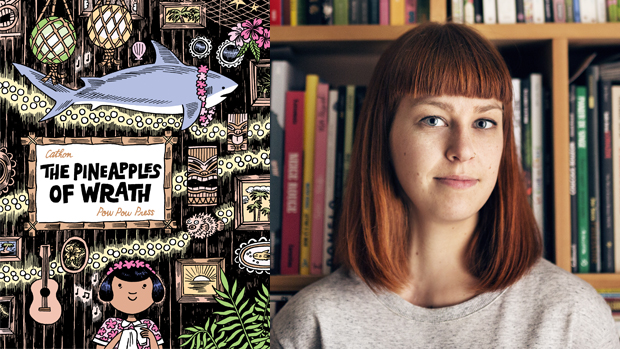
Readers make good detectives. Reading always involves finding clues and solving riddles. The detective-protagonist of Cathon’s graphic novel The Pineapples of Wrath is a bibliophile named Marie-Plum Porter ... In this tongue-in-cheek black comedy, reading is a matter of life or death.
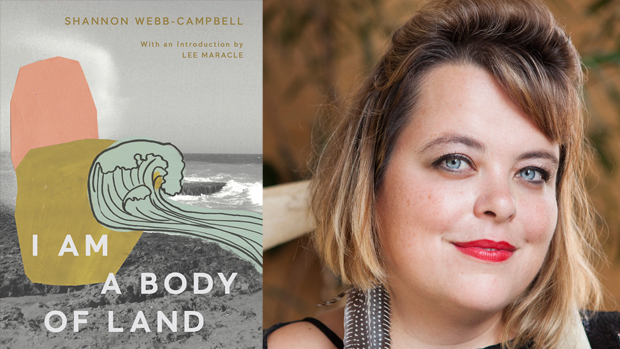
The poems in I Am a Body of Land are tangled up in their considerations of home, identity, and memory, as well as with constructs of memorial, community, and trauma. To utter what one is and is not, for these speakers, is crucial to their existence...
Part of me wants to say that nîtisânak is the literary equivalent of a middle finger, sporting chipped black nail polish and waving in front of Nixon’s knowing smirk. At times it is, directing justifiable anger and irreverence towards racist, transphobic, and homophobic institutions, perceptions, and people.
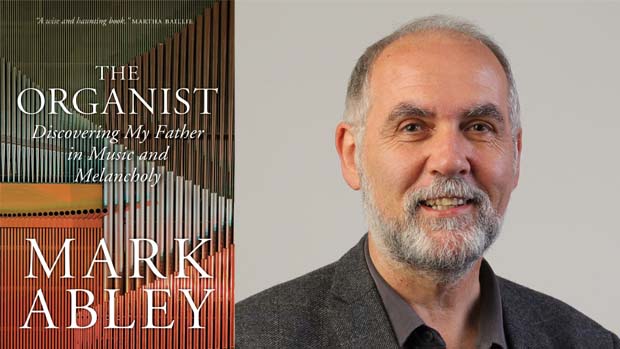
Friedrich Nietzsche once famously wrote, “Without music, life would be a mistake,” and Harry Abley – organist, choirmaster, conductor, and music teacher – might agree. The Organist: Fugues, Fatherhood, and a Fragile Mind, written by Mark Abley, his son, is a love letter, a eulogy of sorts, to a misunderstood musician, and a valedictory tribute to a bygone era.
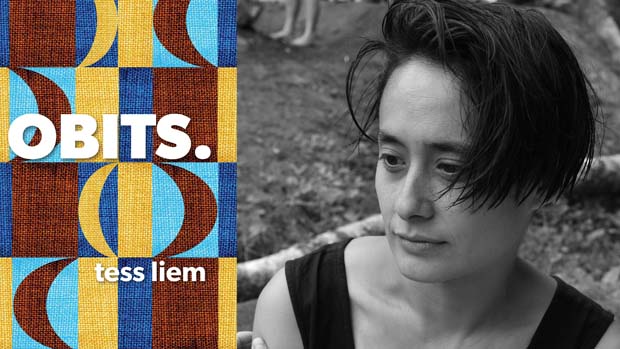
In Tess Liem’s Obits., we make our way with the poet through the challenging process of mourning as she reflects on her own mortality. Attentive and introspective, these poems draw from contemporary events, psychoanalysis, mythology, television, feminist writing, and other sources in order to ponder death in all its intimacy
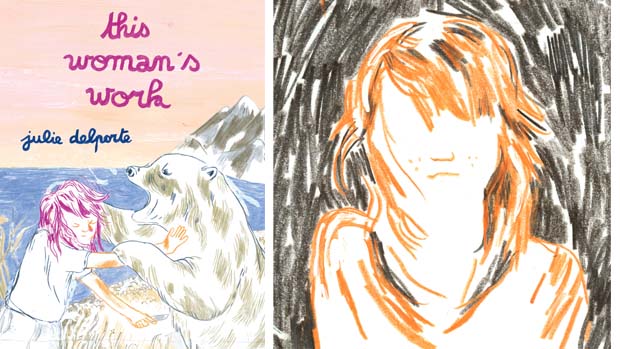
In This Woman’s Work, which exists in the liminal space between autofiction and memoir, Delporte finds the words and draws the images to evoke the struggles of women as they navigate assumptions about gender, femininity, and creativity. The book is both deeply intimate and also emblematic of women who are at a time of crisis, opportunity, and, hopefully, progress.
Are sales of translations at an all-time high? Are national newspapers spotlighting new books from Quebec and profiling the hottest Quebec talent more than ever? Are Christian Guay-Poliquin and Anaïs Barbeau-Lavalette household names outside of the province? The short answer is that, with column inches, shelf space, and readers’ attention spans all in short supply, I don’t believe that French-to-English translation is experiencing quite the surge in attention that some people might think, although numbers are frustratingly hard to come by.