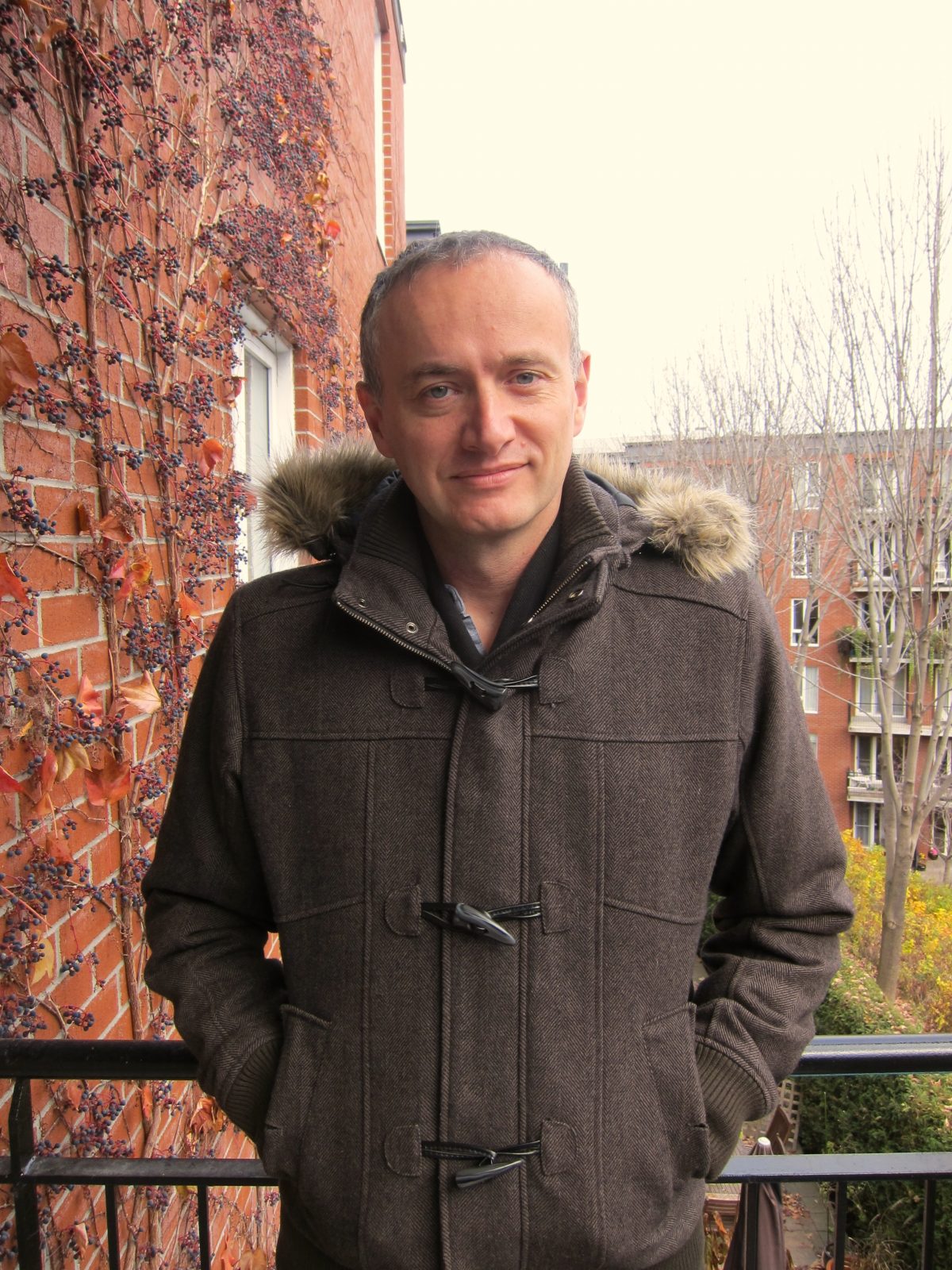
Winter expands her focus well beyond gender identity to study other triggers of alienation, including ageing, homelessness, and poverty. Stunning beauty intertwines tough emotional truths, while sucker-punch endings leave you reeling. Meanwhile, an oddly alluring hue of loneliness tinges the collection and leaks into her non-fiction title.
For all its advice on effective time-management and organizational skills, The Organized Mind also makes room for serendipity. The more information we have easy access to, the more important it becomes not only to filter out what we don’t need to know, but also to figure out what we want to know. According to Levitin, “the twenty-first century’s information problem is one of selection.”
Speaking Out on Human Rights is a powerful response to the right-wing backlash against human rights commissions and tribunals. In this readable book, lawyer and McGill University lecturer Pearl Eliadis details the positive contributions these commissions have made to the advancement of human rights and points the way forward to strengthening these important institutions.
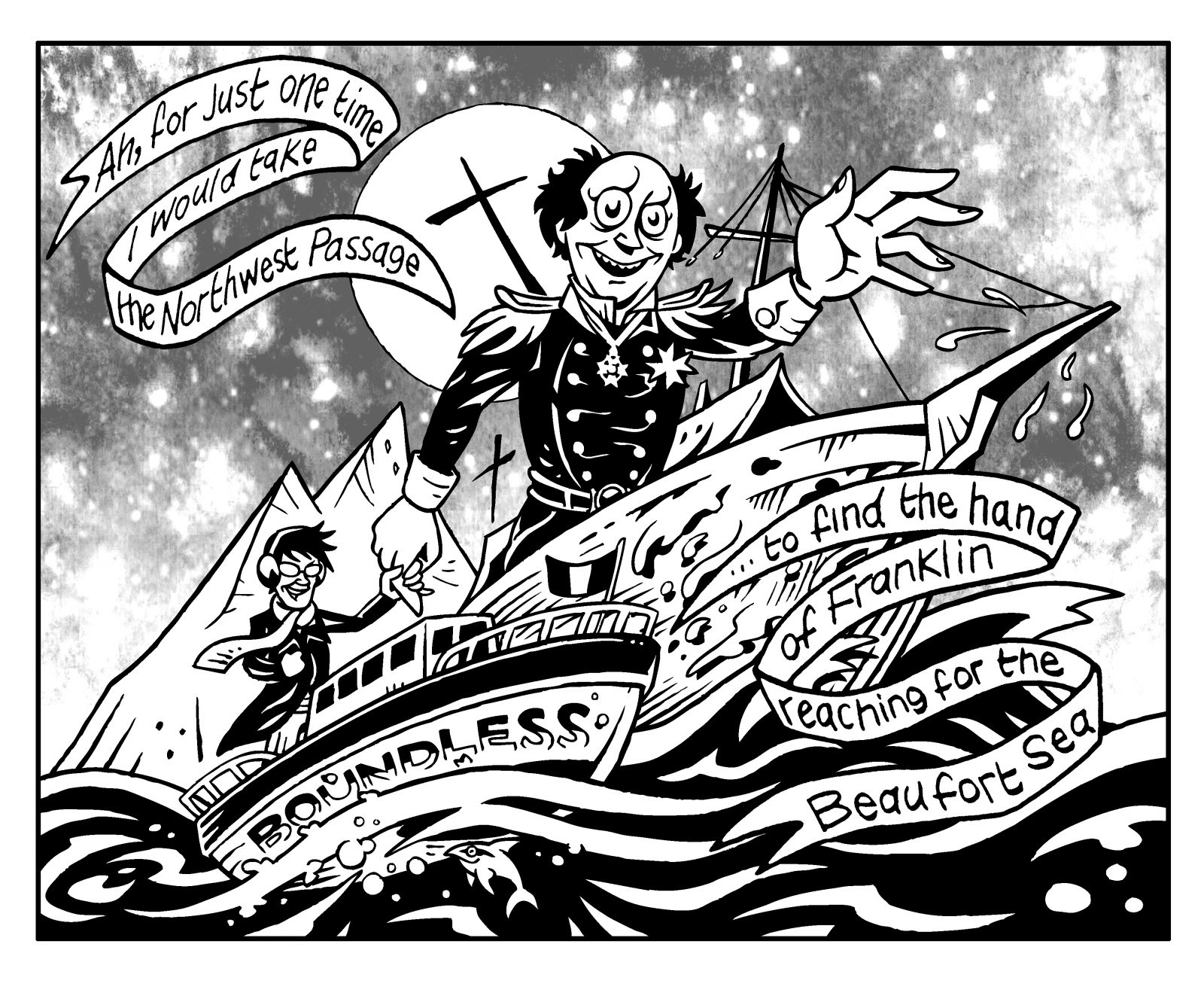
British explorers who ventured into the Arctic were a stubborn sort. Though many of them possessed the unrelenting tenacity and unstoppable work ethic memorialized in song, it was the nearly universal refusal to change their ways that truly defined European seekers of the Northwest Passage.
Susan Pinker’s The Village Effect: How Face-to-Face Contact Can Make Us Healthier, Happier, and Smarter integrates research about human community and social interaction in a perceptive and timely study. But in Pinker’s impulse to serve readers straightforward prescriptions for this troublesome human condition in which we flail about, she occasionally neglects to balance her thesis with more subtle insights into our minds and bodies.
Brave New Canada argues that our country’s foreign policy requires decisive change. The book’s authors, Derek H. Burney and Fen Osler Hampson, urge us to stop lamenting the bygone age of Pearsonian diplomacy. Instead of “looking at the world from a rear-view mirror,” we are advised to survey the fast-changing political landscape and seek pragmatic policies that advance Canadian interests.
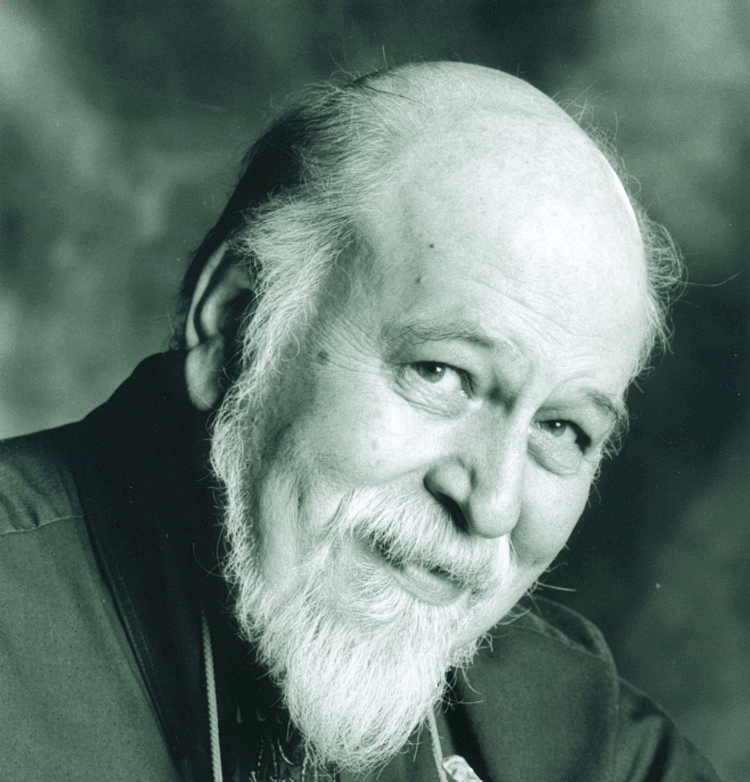
Germain returns now with Of Jesuits and Bohemians, an equally charming reminiscence of his slightly older youth spent at the long-gone, Jesuit-run Collège Sainte-Marie on Bleury Street in Montreal, and his joyous discovery of sights and sounds just beyond its walls.
Imagine Lima, Peru, in the 1800s. In this city of slaves, “free” persons, and colonial elites, a majority of the medical practitioners – doctors, surgeons, nurses – were of African ancestry. José Ramón Jouve Martín’s latest book, The Black Doctors of Colonial Lima: Science, Race, and Writing in Colonial and Early Republican Peru, highlights this era’s most prominent black male physicians: José Pastor de Larrinaga, José Manuel Dávalos, and José Manuel Valdés.
The highbrow McCord Museum, on Sherbrooke Street in Montreal, and the more lowbrow Taschereau Boulevard on the South Shore have something in common: both are named after members of two prominent Quebec families whose power was established in the eighteenth century and lasted well into the twentieth. In Patrician Families and the Making of Quebec, Brian Young traces the history of these two families over four generations marked by conquest, wars, rebellions, revolutions abroad, and the piecemeal democratization of Quebec society.