A new cartoon biography of Sanger, written and drawn by underground comics luminary Peter Bagge, attempts to rescue Sanger from the online maelstrom that has her putting the so-called undesirable and unfit under the sterilization knife.
Using her childhood experiences as a springboard, Guzzo-McParland tells of the changes in a fictional village in the south of Italy in the years after the Second World War.
Why does a woman stay with a man who hits her? And what does it take for her to finally choose to leave? This fall, two ambitious novels by Montreal writers tackle those complex questions: So Much It Hurts, by Monique Polak, and Lily and Taylor, by Elise Moser.
Chilly mornings with high blue skies, golden afternoons with leaves tumbling into the wind – autumn has come to Southern Quebec, and, with it, an awakening need to prepare for the ice and snow to come.
For generations of Eastern European Jews, Yiddish was the language of daily life – it expressed tragedy, boredom, affection, and tenderness, alongside all that great trash talk.
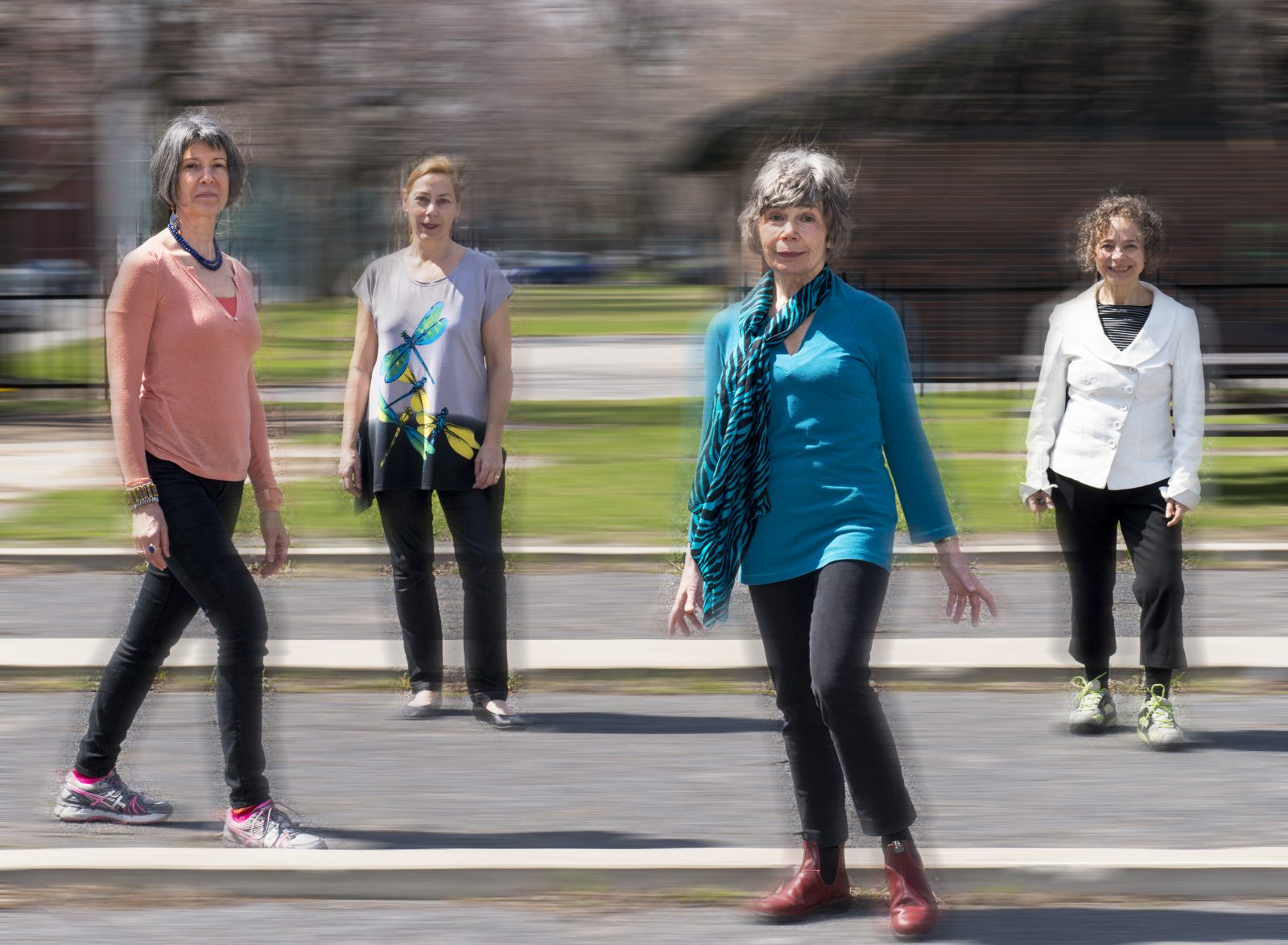
Since 2006, poets Susan Gillis, Mary di Michele, Jan Conn, and Jane Munro have been studying and composing renku, a Japanese form of collaborative linked verse.
This is no New Age fluffball. The book opens with decomposing human remains, and includes a corpse lowered into a grave filled with water and another buried in concrete.
Reading this cri de cœur for Canada’s public broadcaster aroused a paradoxical reaction: first alarm, then a fierce desire to see the whole bureaucratic mess shaken up or shaken down.