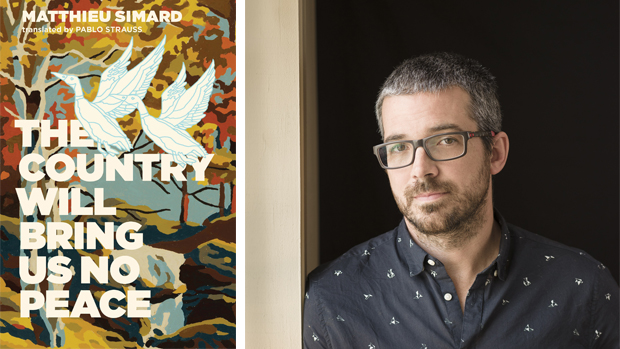
Living through dread is usually an extremely uncomfortable experience, whether in life or art. Sometimes in art, discomfort is the point, horror movies being an easy example. In The Country Will Bring Us No Peace, translated by Pablo Strauss, Matthieu Simard tacks the ship of dread in a different direction. For the most part, it is a pleasurable book, the dread passing by like a quiet late summer day in the countryside, with neat sentences paced nicely with more indulgently pretty or philosophical ones.
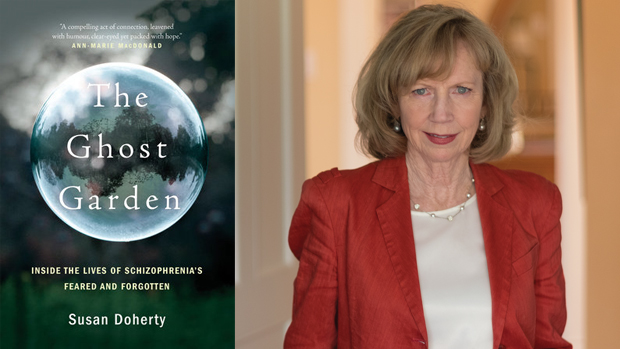
Be warned: reading The Ghost Garden may change you. Susan Doherty, a petite woman with shining blue eyes and a ready smile, is doing big, radical things in the field of mental health – the kinds of things that might inspire you to pitch in and help. At the very least, the book risks challenging misconceptions you may hold about schizophrenia.
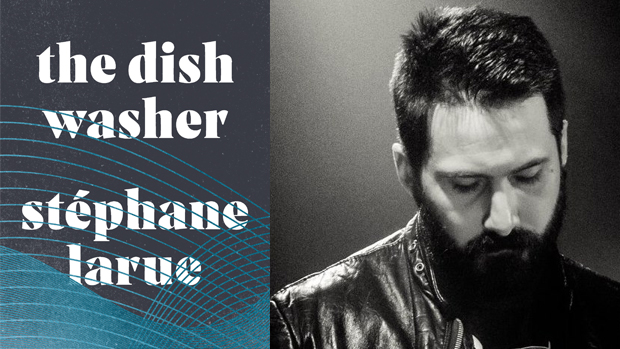
Set in the belly of a high-end Montreal restaurant at the turn of the millennium, the novel is narrated by an unwitting nineteen-year-oldi plongeur who has just started his first job in a professional kitchen. Larue’s prose is expertly infused with the sights, smells, and exhausting physical labour of the job.
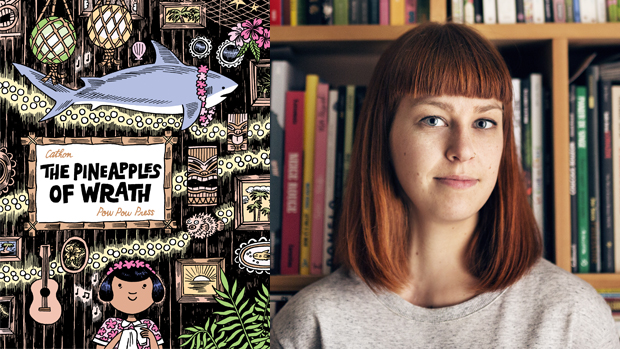
Readers make good detectives. Reading always involves finding clues and solving riddles. The detective-protagonist of Cathon’s graphic novel The Pineapples of Wrath is a bibliophile named Marie-Plum Porter ... In this tongue-in-cheek black comedy, reading is a matter of life or death.
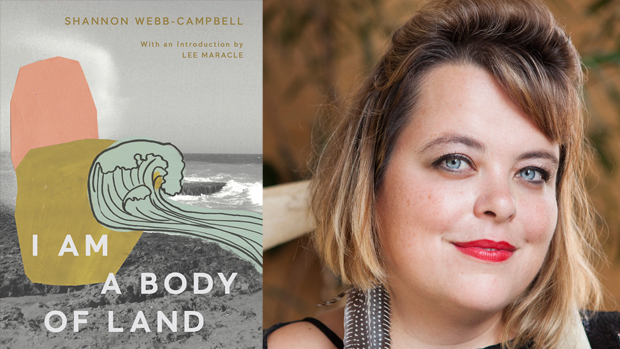
The poems in I Am a Body of Land are tangled up in their considerations of home, identity, and memory, as well as with constructs of memorial, community, and trauma. To utter what one is and is not, for these speakers, is crucial to their existence...
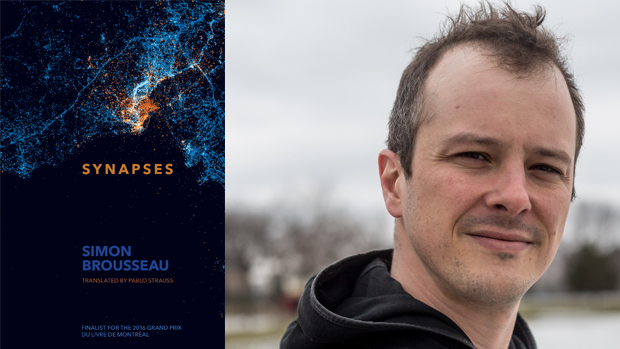
We’ve all had the experience where our mind arbitrarily takes a snapshot, a freeze-frame that reverberates with the particulars that shaped our state of being at that moment in our lives. These flashes capture a near-simultaneous amalgamation of thought, emotion, and vivid sensory experience, a kind of neural artifact of an ever-changing self. But what if it were possible to compile the experiential snapshots of an array of different people in a single book? This is the ambitious challenge that Simon Brousseau has set for himself in his experimental novel Synapses.
People have been writing novels about infidelity for about as long as people have been writing novels. Indeed, within the literary canon – think Anna Karenina, Madame Bovary, or The Great Gatsby – adultery is about as common a subject as an absent father or an unplanned pregnancy. Incidentally, 26 Knots, the debut novel from Montreal- based pediatrician Bindu Suresh, has all three of these things. It wasn’t until after I’d finished reading, however, that I noticed just how much Suresh had packed into such a slight volume.
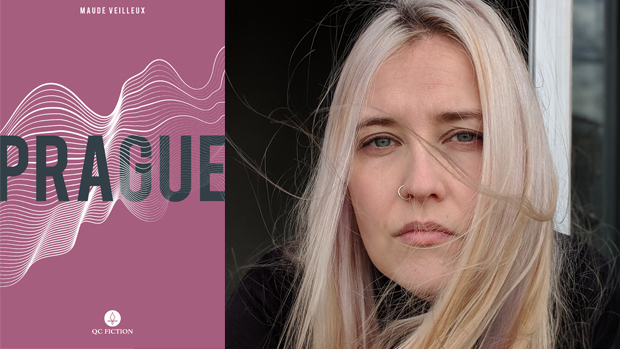
Shortly into their marriage, the narrator of Maude Veilleux’s autofictional novel Prague and her husband decide to experiment with an open relationship: “We told ourselves we should enjoy our bodies now while we were young. And what were a few lovers in a lifetime spent together?” As part of the experiment, she begins to write a book about an open marriage. Yet, as one relationship escalates in intensity, the novel quickly takes on a mind of its own.
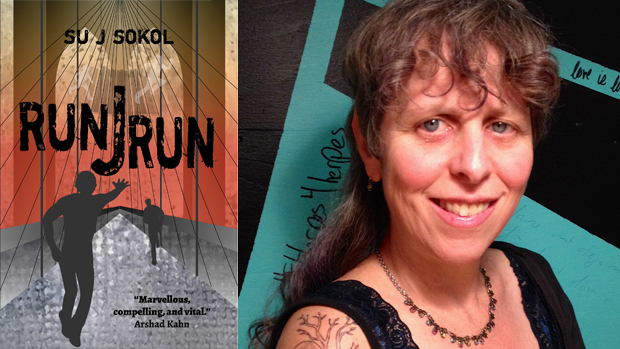
A book about friendship, polyamory, queerness, and unconventional families, Run J Run has all the makings of an exciting novel. But, bogged down by racial and mental health tropes, the book leaves an unsettling feeling.
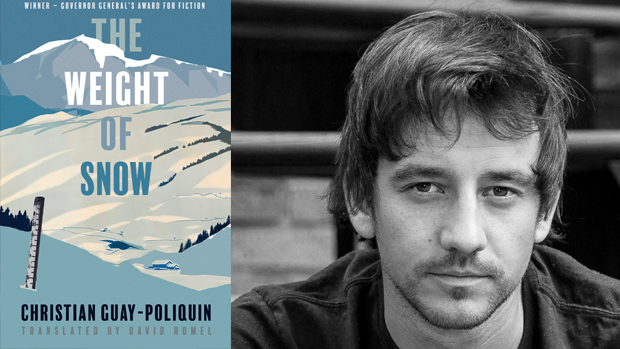
Christian Guay-Poliquin’s second novel The Weight of Snow, winner of the Governor General’s Award as well as three Quebec literary prizes after it was published in French in 2016, has just appeared in English, translated by David Homel. Part dystopian survival tale, part existentialist character study, it’s a compelling read with a minimalist style that masks some heavy-duty themes.
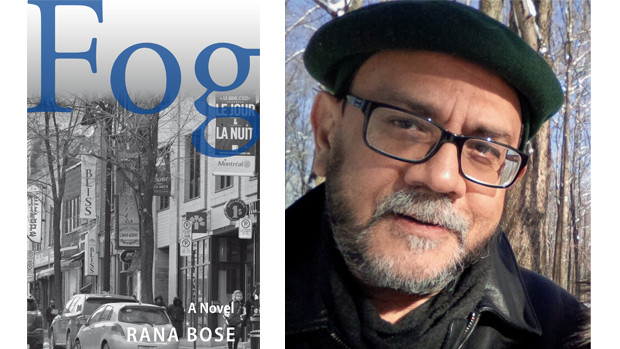
Fog has some ingredients – a finely detailed setting, a strained friendship between two young men – that point to the novel’s potential as a suspenseful work about the lost men of a neighbourhood.
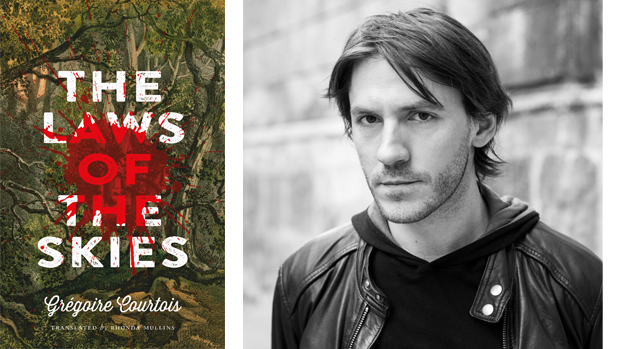
Gégoire Courtois’s novel The Laws of the Skies conducts a visceral experiment with both narrative and human nature. It removes all prospect of hope from the outset, then creates a spectacle of waiting for forewarned deaths to occur, rather than generating suspense about whether or not they will.