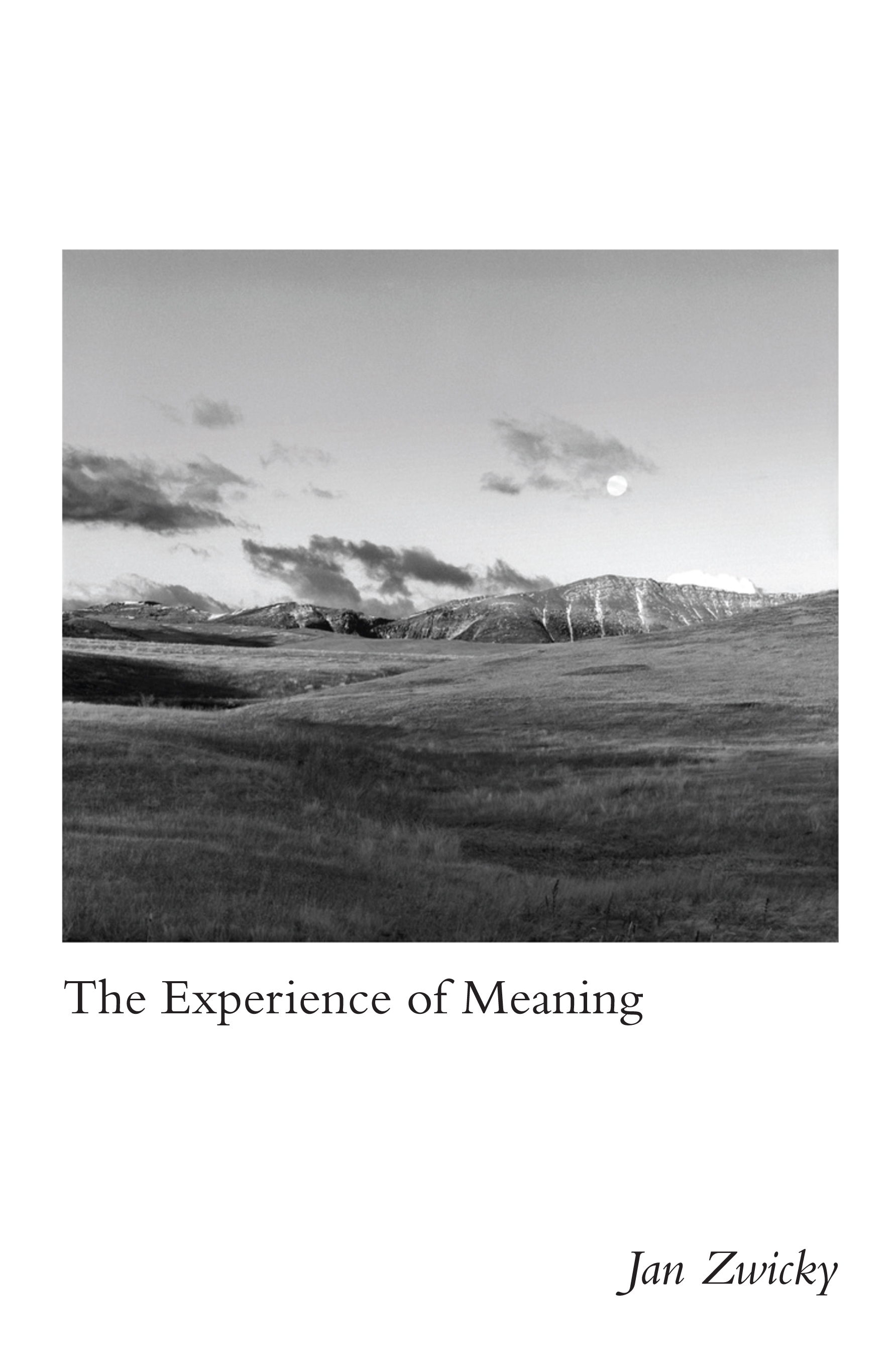
My friend picked up Jan Zwicky’s The Experience of Meaning for me on the morning I had what I thought might be the first signs of labour. Were these period-like cramps early contractions, I wondered? What is labour and how do you know when are you in it? It’s a question thick with meaning; reading Zwicky’s book in this liminal time changed the way I thought about and sought to answer this question.
Does nationalism make us small, even if we try to confine it to coffee, football, and grilled meat? Why didn’t Communism make us better? Why is ownership fatal while belonging is salvific? Who exactly is supposed to forgive you when you leave home? Do all children more or less consciously live out an allegiance to their parents’ beliefs? And are the contradictions between the remembered past and the necessary present impossible to reconcile?
The journalist/academic/overqualified intellectual who takes a service job and writes a mildly politicized memoir about it has become a genre unto itself. Walmart’s well-publicized crappy labour practices and hokey bluster make it an obvious choice for this kind of project (Barbara Ehrenreich also worked at Walmart for 2001’s Nickel and Dimed, the gold standard of real-work-sucks literature).
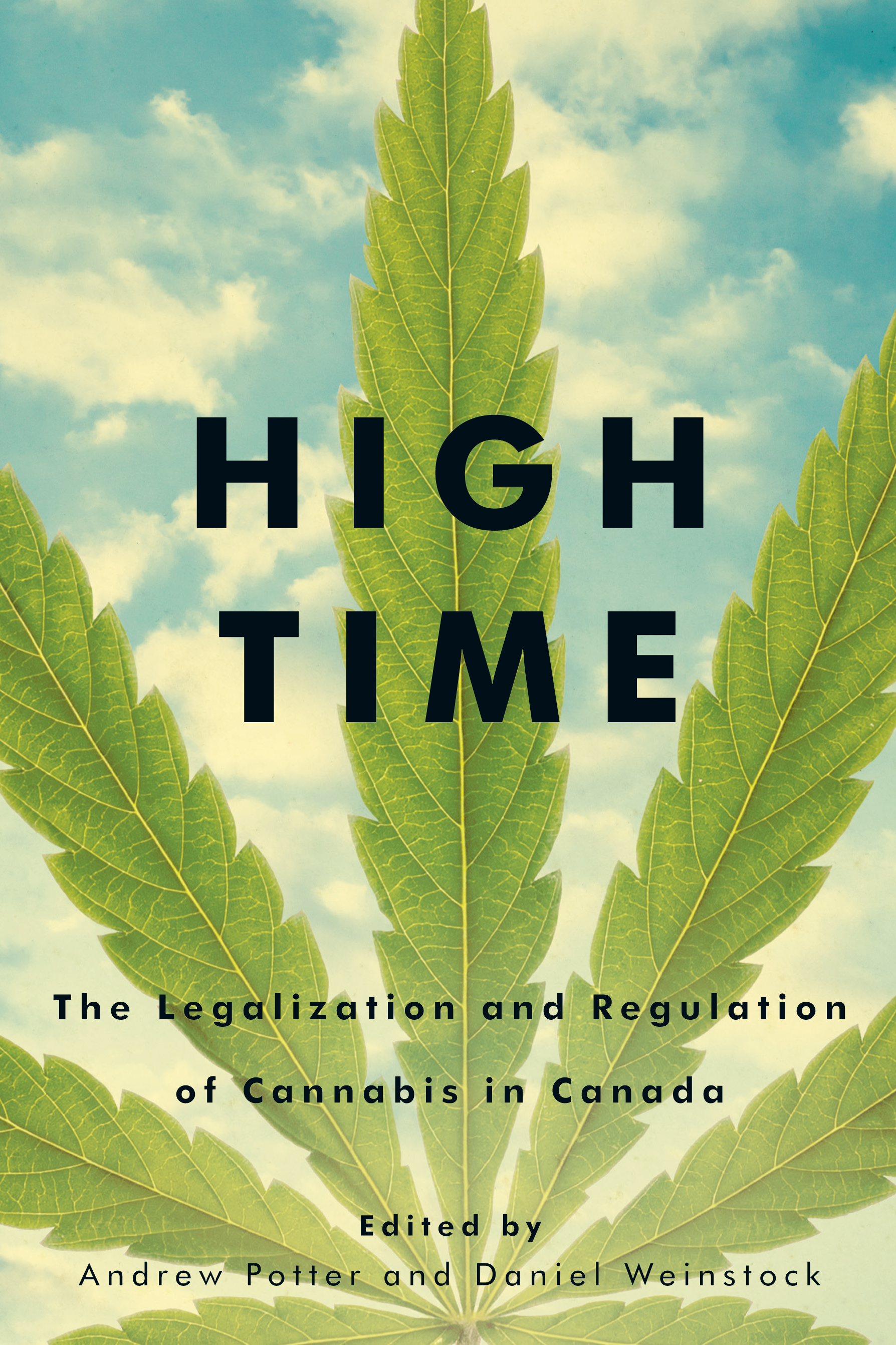
"You’ve got to legalize it,” sang Peter Tosh in his famous song. On October 17, 2018, Canada took Tosh’s advice and did exactly that, legalizing cannabis throughout the country. High Time is a book that thinks about what might happen as a result of this fundamental change in Canada’s regulatory regime, when a drug that was widely available on the black market moves to being widely available by legal means.
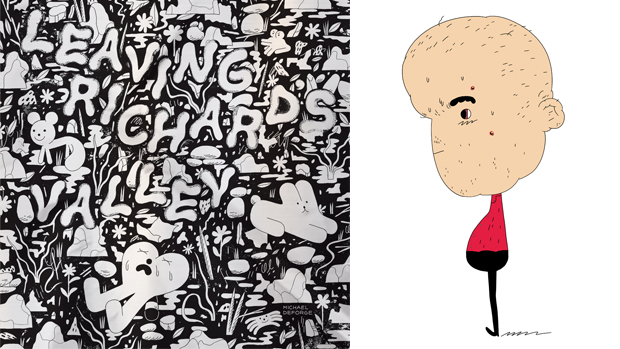
The title of Michael DeForge’s new book, Leaving Richard’s Valley, hints at the deft mix of whimsical and sinister themes within: four animal friends must leave their home in an idyllic, cult-like community and face a Toronto mired in condo construction and gentrification. This is DeForge’s latest Drawn & Quarterly title, and it’s obvious why NPR calls the author “one of the comic-book industry’s most exciting, unpredictable talents.” Leaving Richard’s Valley dissects community, public space, and the dubious line between adventure and exile.
Part of me wants to say that nîtisânak is the literary equivalent of a middle finger, sporting chipped black nail polish and waving in front of Nixon’s knowing smirk. At times it is, directing justifiable anger and irreverence towards racist, transphobic, and homophobic institutions, perceptions, and people.
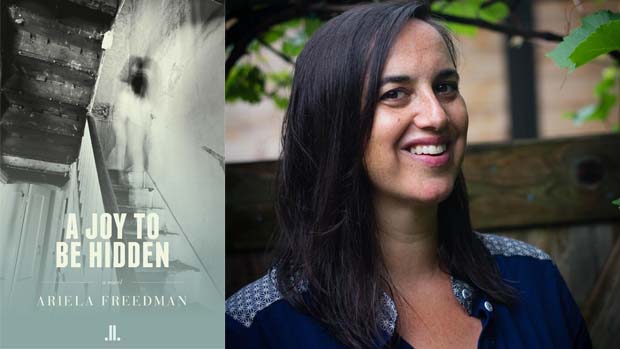
In classical mythology, Persephone is forcefully separated from her mother and taken to the underworld. She is eventually able to return, but the reunion is incomplete: Persephone must forever spend a portion of time hidden away, moving through a cycle of appearance and disappearance tied to the seasons. Through both indirect and direct reference, this myth infuses Ariela Freedman’s novel A Joy to Be Hidden, where secrets, loss, and separated family members interweave through multiple plot lines.
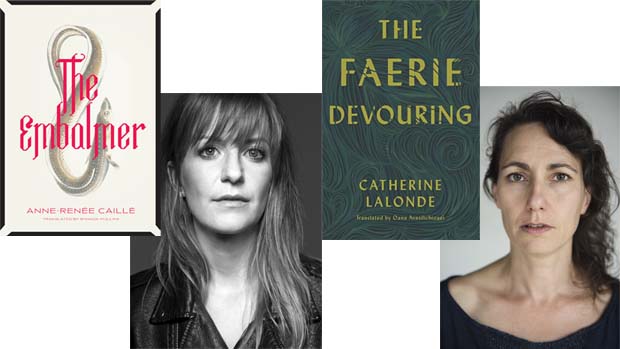
atherine Lalonde’s The Faerie Devouring likewise centres on an intimate familial relationship: the sprite, a young girl, is raised by her staunch grandmother among a gaggle of other children in rural Quebec. In contrast with the precise, crystalline images and mood of The Embalmer, Lalonde’s language is organic, pulsing, and repetitive in the way of fairy tales. The Faerie Devouring is a loose, impressionistic text that captures the fraught, shifting relationship between the sprite and her Gramma. Lalonde’s characters are physical before anything else, moving constantly but barely speaking.
Expect neither Skil saws nor crowbars in Montreal writer and translator David Homel’s eighth novel: the “teardown” he explores with perspicacity is the mindset of a narrator who, like the older homes in his childhood neighbourhood, remains structurally sound but feels unjustly rendered worthless in a volatile, financialized new world order.