Juliana Léveillé-Trudel’s recently translated novel Nirliit opens with a trip North to Salluit, a “postcard paradise” that is just past Puvirnituq, the “Most Violent Community in Nunavik.” Nirliit means snow geese in Inuktitut, and the narrator identifies with these birds, for she too travels north in the summer and south in the winter. In the opening, the narrator returns to learn that her friend Eva has disappeared. From its first pages, Nirliit resuscitates, albeit somewhat knowingly, the tropes of colonial literature: The disappearing Indian. The fucked up, drunken Indian. The stoic one. The gone.
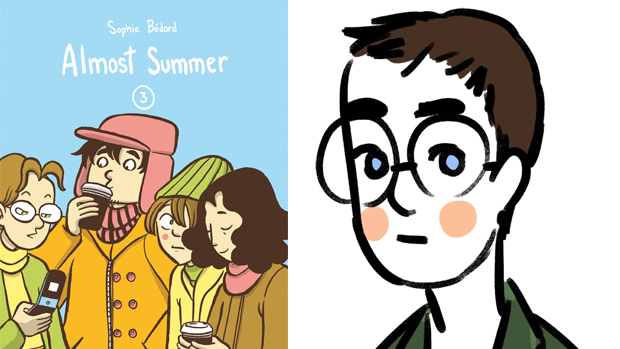
The release of the English translation of this volume follows on the heels of the first two, published in 2017. The Almost Summer series is the work of comic artist Sophie Bédard, who, at the age of nineteen, did the unimaginable. Just a year after graduating from CEGEP, she published not one but two volumes of the now popular French-language series Glorieux printemps, which went on to be nominated for the Bédélys and Bédéis Causa awards, two prominent prizes for Quebec comic artists.
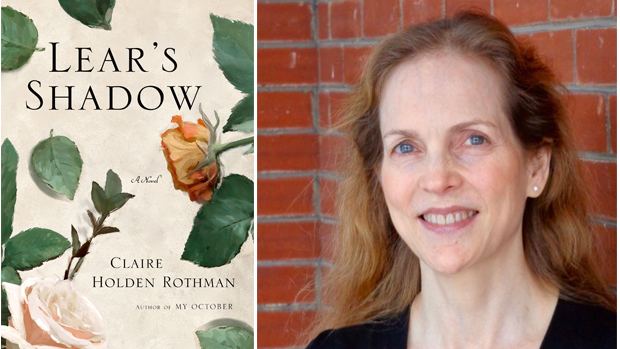
Sometimes things need to fall apart in order to come together. At least that seems true for Beatrice Rose (Bea), the heroine of Claire Holden Rothman’s third novel, Lear’s Shadow. As Bea pulls herself from the wreckage of a messy breakup and cares for her ailing father, readers are invited to contemplate the underside of social masks.
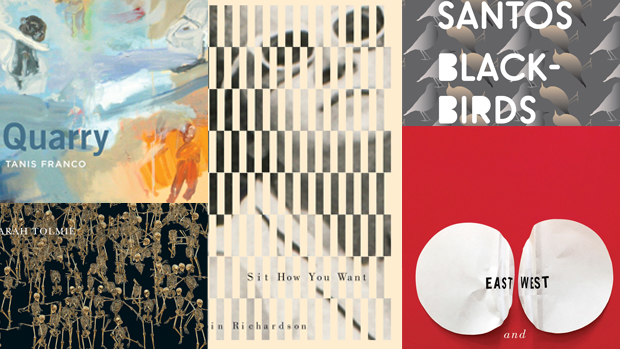
The eight long poems in Ekke have breadth and a sharp, essayistic curiosity. They’re aesthetically slippery, translating what we might traditionally understand as confessional, lyric, and L=A=N=G=U=A=G=E poetry into something new and yet strangely familiar. Ekke enacts a multiplicity of the self (as citizen, body, object, imagination, “I,” etc.) as it coexists with sound, language, translation, and art.
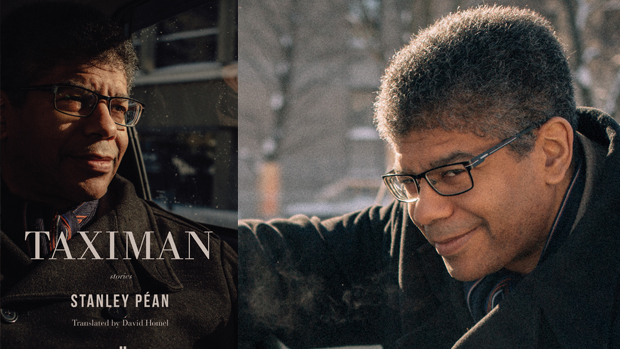
Péan tells these stories without a sense of outrage or anger, because he’s writing as a Quebecer, with a sense of sometimes uneasy but always real belonging, and it is this sense that permeates Taximan from beginning to end.
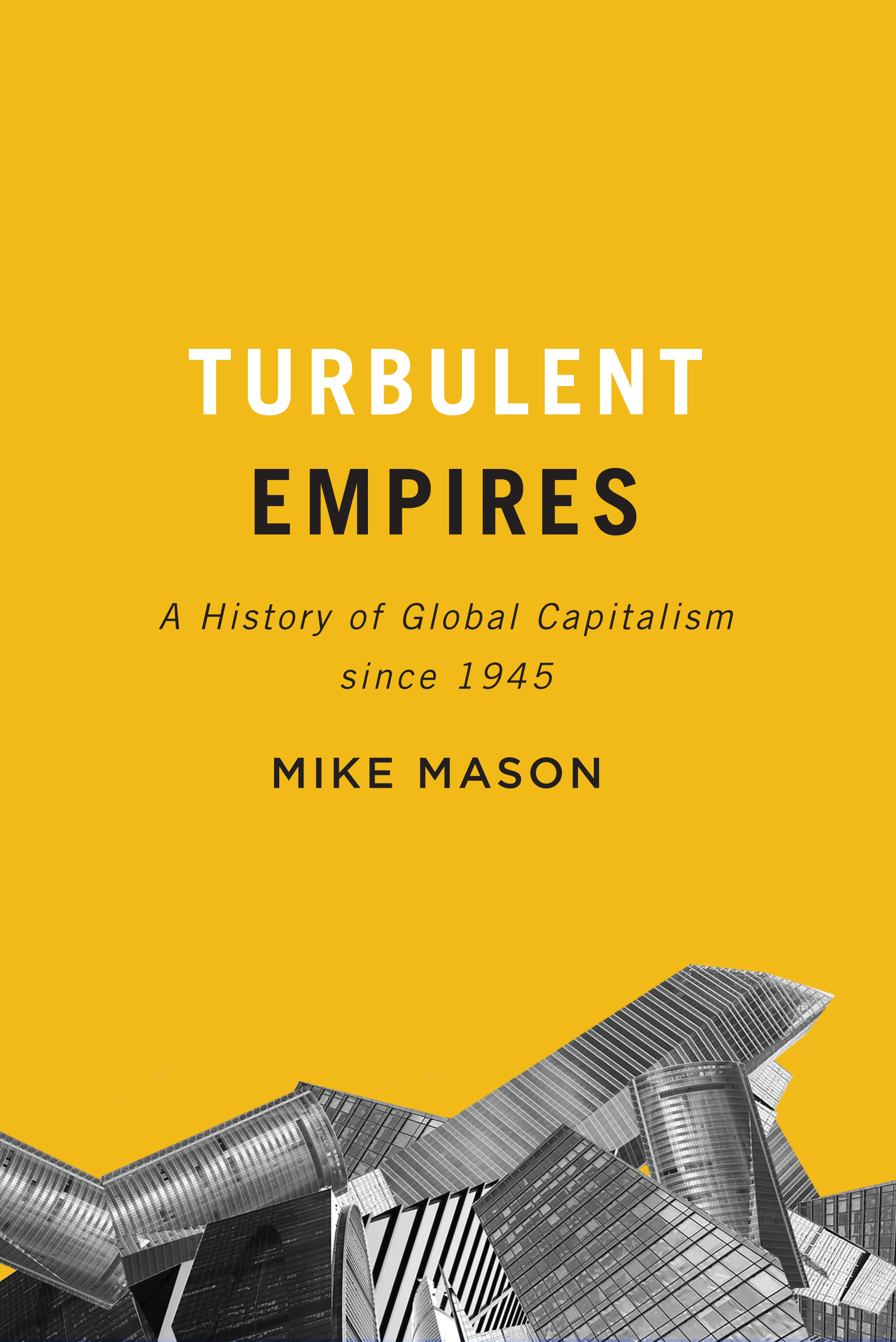
Context is everything. If there’s anything to be learned from watching the news in the age of Trump (and there’s a lot), it’s the peril of reading about and reacting to world events divorced from their historical nuances. Mike Mason’s Turbulent Empires: A History of Global Capitalism since 1945 might help.
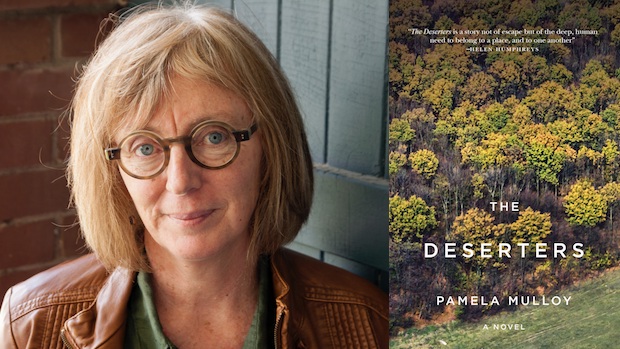
As a former soldier in the Iraq War, Dean knows he’s being trailed. He catches Eugenie, whose dilapidated New Brunswick farmhouse he’s been working on, following him into the backwoods of her property where he’s set up camp.
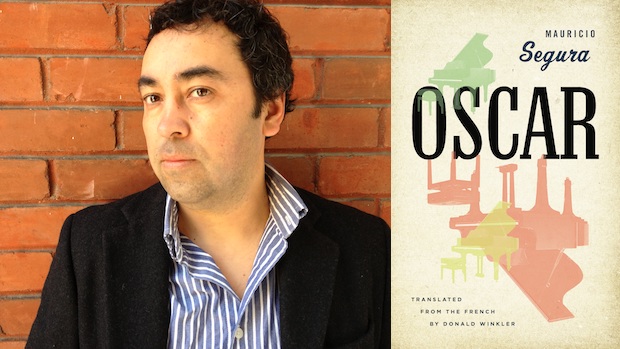
Though it is a fairly slender book, Mauricio Segura’s novel Oscar practically bursts at the seams with historical events, colourful characters, and timeless themes. Based loosely on the life of pianist Oscar Peterson, the novel’s heart and soul lies in Montreal’s Little Burgundy neighbourhood, its bustling life seen through the eyes of a thriving black, immigrant community.
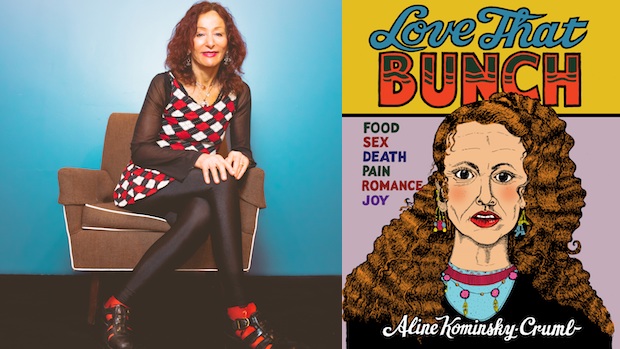
The first thing that hit me in my experience of Aline Kominsky-Crumb’s Love That Bunch was the looming, powerful presence of bodies in the comics. The force of the bodies was overwhelming. It wasn’t a cerebral experience – it was physical.