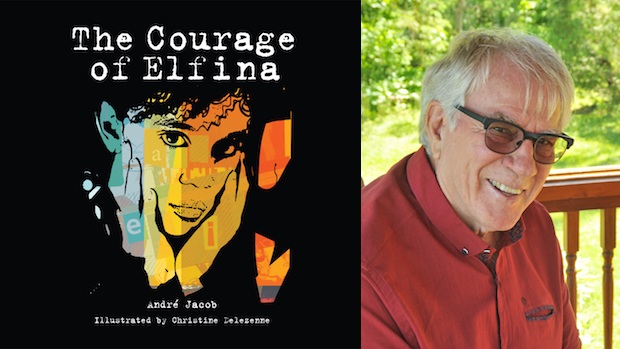
The Courage of Elfina is the captivating story of a teen who finds herself in a very adult situation. Elfina lives in the country on the banks of the Paraguay River. Her mother died in child birth, while her father is often away working on a large farm in neighbouring Brazil.
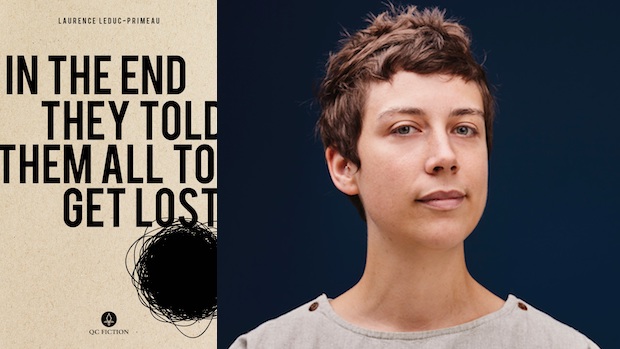
In Laurence Leduc-Primeau’s first novel, In the End They Told Them All to Get Lost, we follow Chloé, a young Quebecker who has just moved to an unnamed South American country, running away from something that is never fully defined.
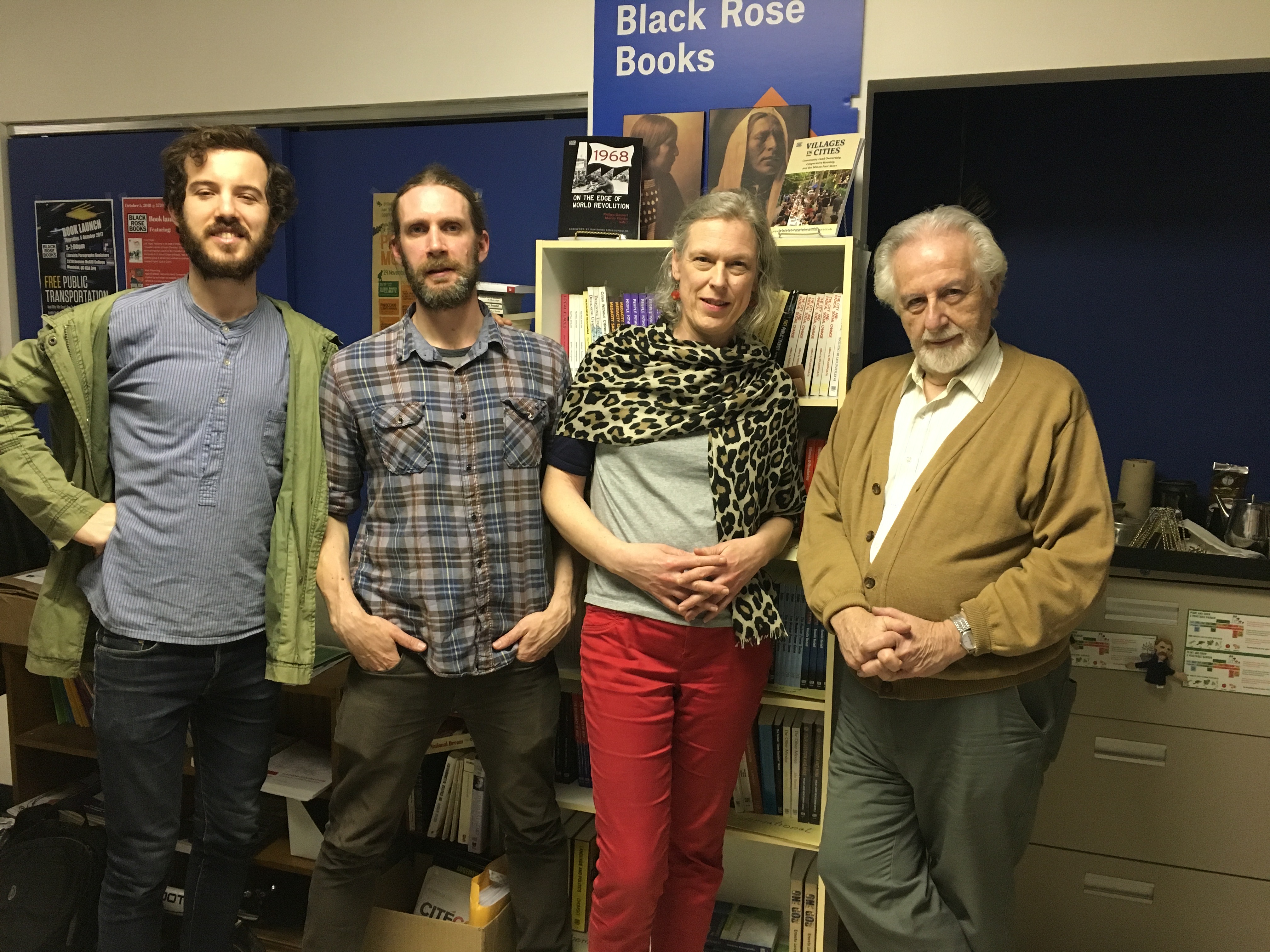
On a warm, spring Easter Day afternoon, I visited the offices of Black Rose Books to speak with the members of the collective – Dimitrios Roussopoulos, Nathan McDonnell, Clara-Swan Kennedy, and Dan G. Reid – about the past, present, and future of this Montreal literary institution.
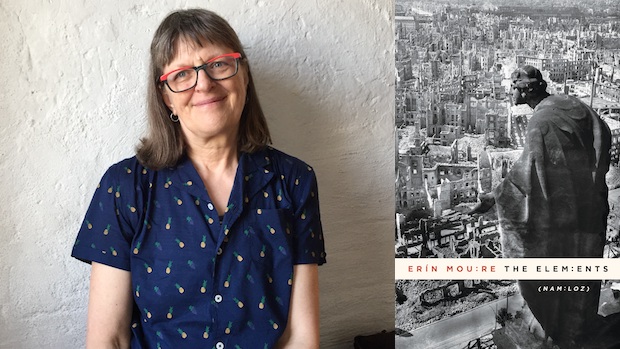
Erín Moure’s The Elements: (Namloz) begins, shoulders back, index finger up, with the words “In fact.” This gesture is a complex one because of the way Moure shifts between battle scenes, theory, and philosophy.
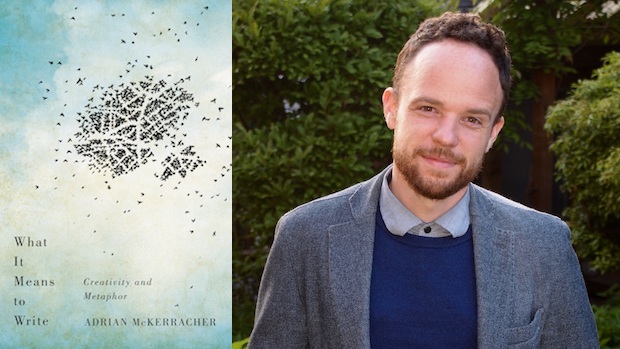
What is creativity, and how does it work? Is creativity something that one has or one does? Adrian McKerracher’s What it Means to Write: Creativity and Metaphor is a layered meditation on how metaphors for creativity respond to these kinds of questions, even as they strive to express them.
“Feminism is not a done deal,” Monique Polak writes in I Am a Feminist: Claiming the F-Word in Turbulent Times. She doesn’t need to tell me twice. In fact, I’d argue that we need intersectional feminism more than ever before.
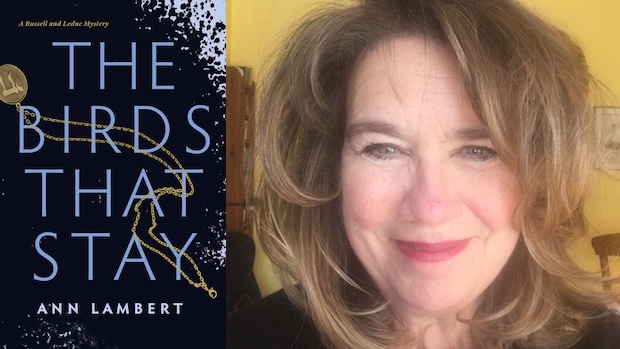
The highly readable noir crime novel The Birds That Stay – a first book from established playwright Ann Lambert – starts with one person strangling another in the frigid Quebec Laurentians.
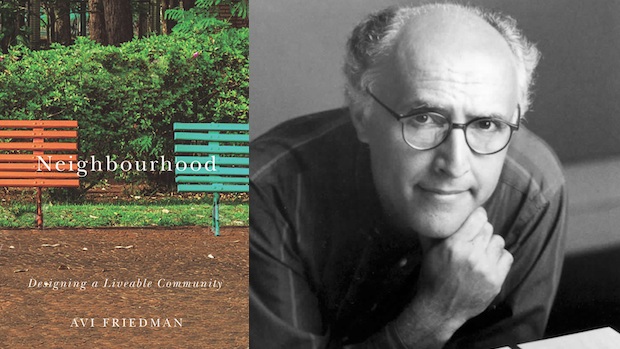
Neighbourhood: Designing a Liveable Community, the latest book by Avi Friedman, begins with a two-part question for the reader: think about a neighbourhood you like, then about why this is so.
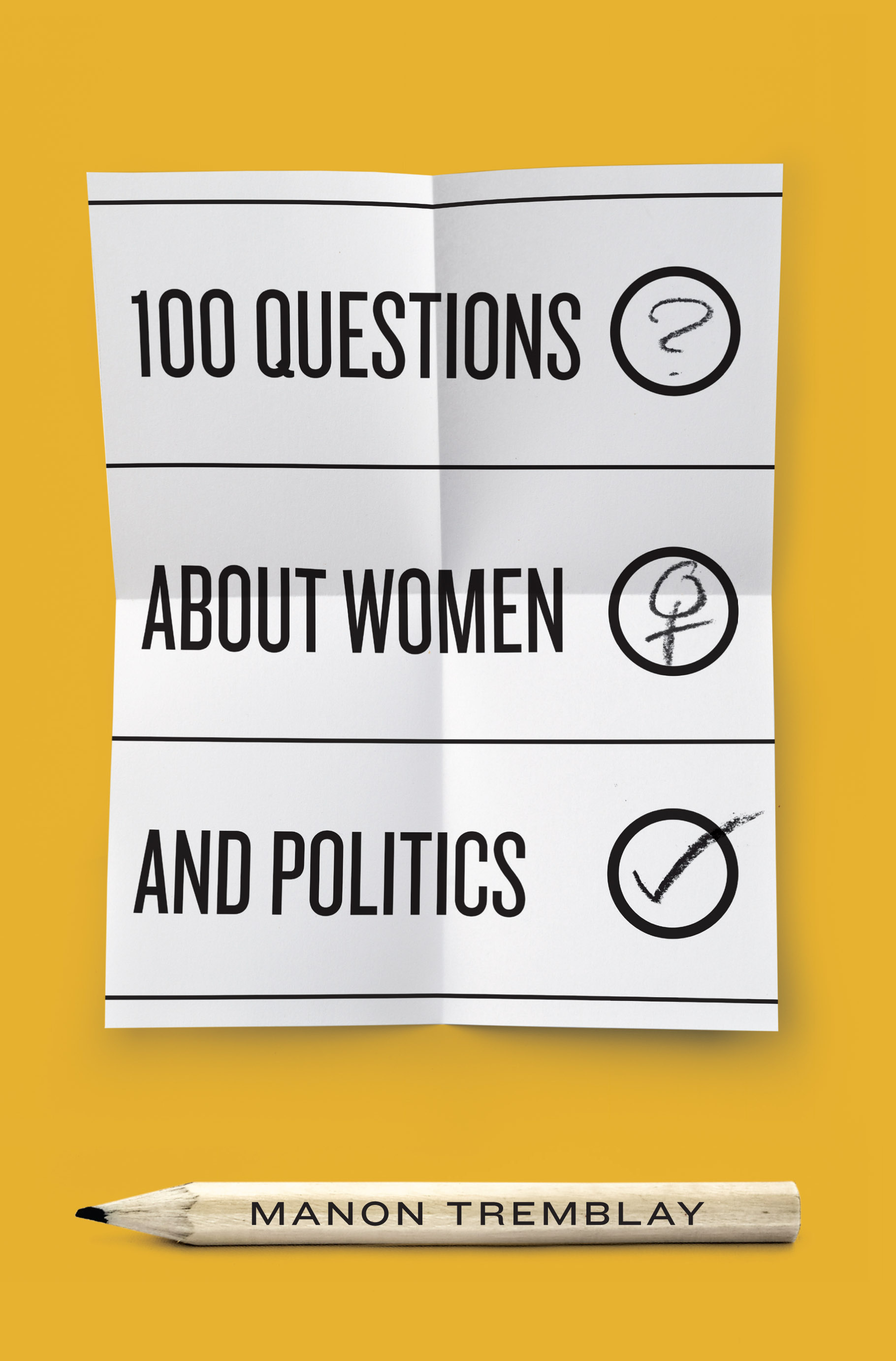
Manon Tremblay’s 100 Questions About Women and Politics digs into why achieving a balanced representation of men and women has been so difficult. The title is literal: the volume is framed as a hundred questions, followed by mini-essay responses that parse women’s participation in global government, as citizens and as officials.
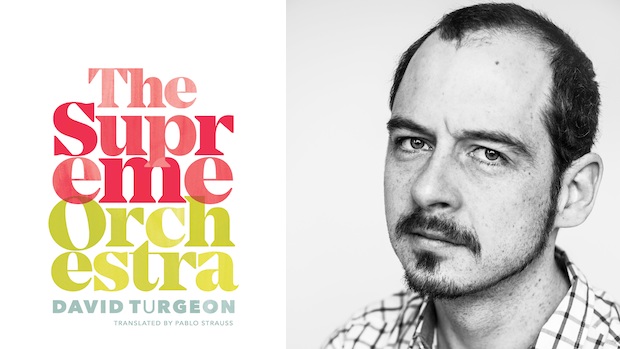
Some novels hold their secrets tightly, leaving the reader to fumble in the darkness for any sense of where the book is leading them, while others let flow a glut of detail that can overwhelm and at times obscure what’s happening beneath the surface. Montreal writer David Turgeon manages to do both simultaneously in The Supreme Orchestra.