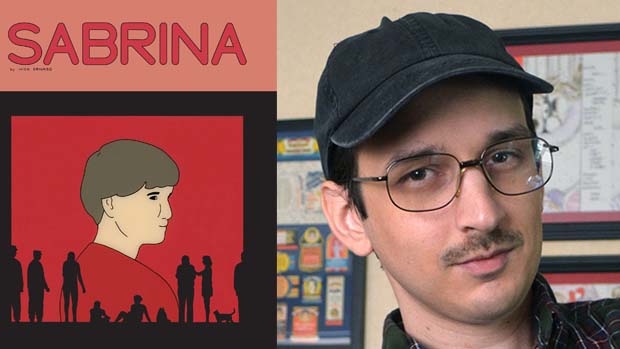
The second graphic novel by young Chicago artist Nick Drnaso, Sabrina, dissects the parallel dimension created by these real-world lies and conspiracies, using it as the backdrop for a story about young people reeling from a tragic act of violence.
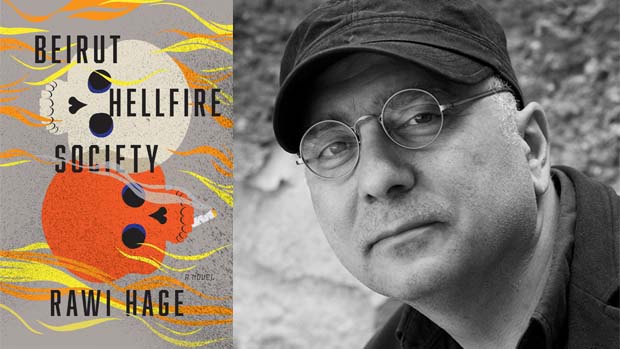
A simple image served as the starting point for Montreal-based author Rawi Hage’s fourth novel, Beirut Hellfire Society. On a balmy morning in early September, he describes that image to me over coffee at a busy café in Mile End. “Someone standing on a balcony above the road to the cemetery. Simple.”
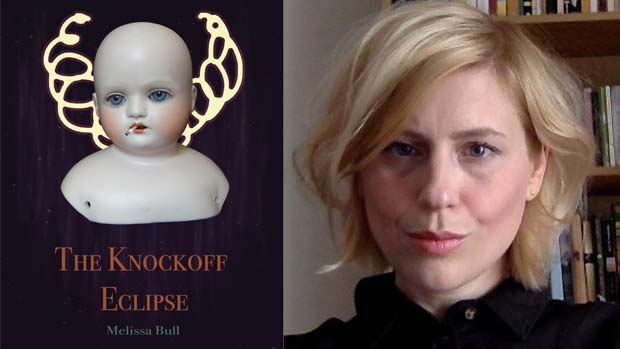
What is happening now, here, to us? The question recurs throughout Melissa Bull’s first collection of short fiction, The Knockoff Eclipse, which could double as an index of quotidian humiliations and indignities. The answer, it seems, requires that we learn to recognize and name injustice where and when it occurs.
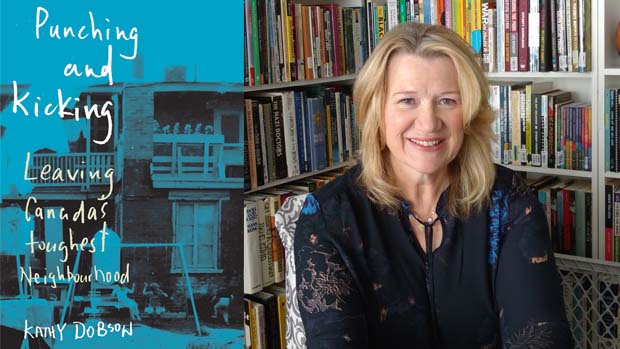
It doesn’t take long for the reader to learn a little something about Kathy Dobson. In the first pages of her memoir Punching and Kicking: Leaving Canada’s Toughest Neighbourhood, she makes it clear that she’s not afraid to hold a grudge.
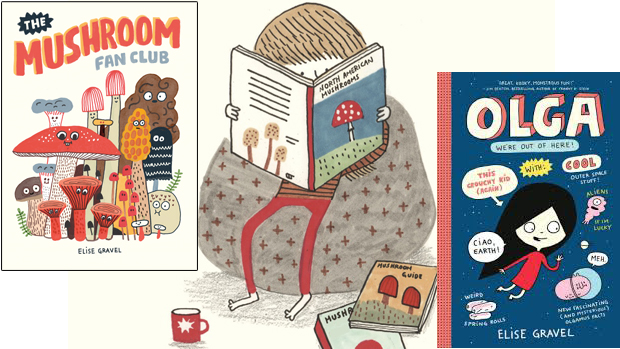
As a child, Gravel thought she would be either a teacher or a rock ’n’ roll star. Now all grown up, she’s become one of the most successful author-illustrators of kids’ books in Quebec, part of a vibrant scene that includes such stars as Marie-Louise Gay and Mélanie Watt.
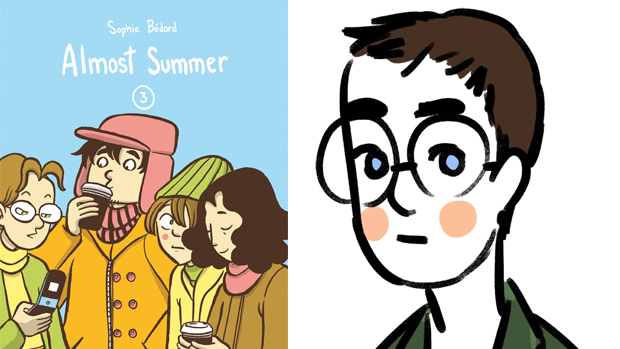
The release of the English translation of this volume follows on the heels of the first two, published in 2017. The Almost Summer series is the work of comic artist Sophie Bédard, who, at the age of nineteen, did the unimaginable. Just a year after graduating from CEGEP, she published not one but two volumes of the now popular French-language series Glorieux printemps, which went on to be nominated for the Bédélys and Bédéis Causa awards, two prominent prizes for Quebec comic artists.
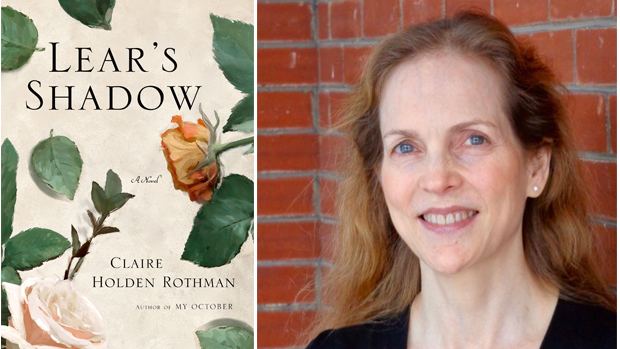
Sometimes things need to fall apart in order to come together. At least that seems true for Beatrice Rose (Bea), the heroine of Claire Holden Rothman’s third novel, Lear’s Shadow. As Bea pulls herself from the wreckage of a messy breakup and cares for her ailing father, readers are invited to contemplate the underside of social masks.
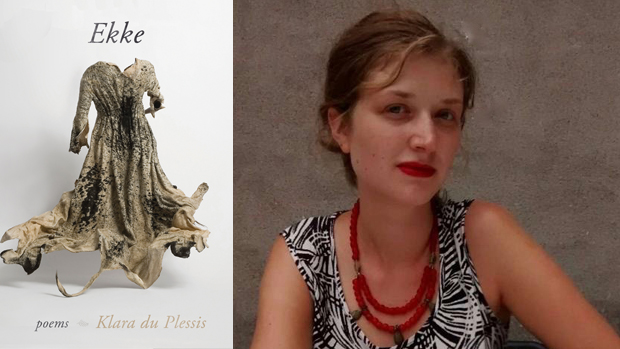
The eight long poems in Ekke have breadth and a sharp, essayistic curiosity. They’re aesthetically slippery, translating what we might traditionally understand as confessional, lyric, and L=A=N=G=U=A=G=E poetry into something new and yet strangely familiar. Ekke enacts a multiplicity of the self (as citizen, body, object, imagination, “I,” etc.) as it coexists with sound, language, translation, and art.
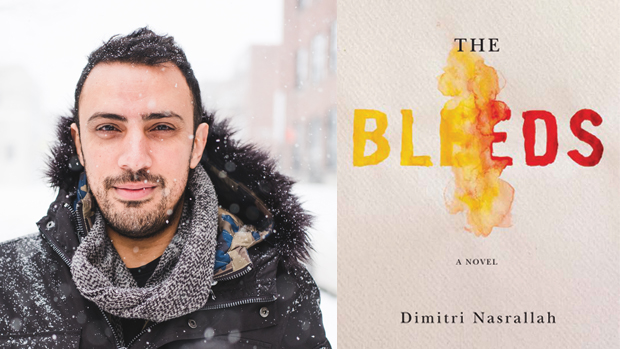
The political turmoil of the Middle East has been the backdrop for much of Dimitri Nasrallah’s work. He returns to it with a new perspective in his latest novel, The Bleeds.
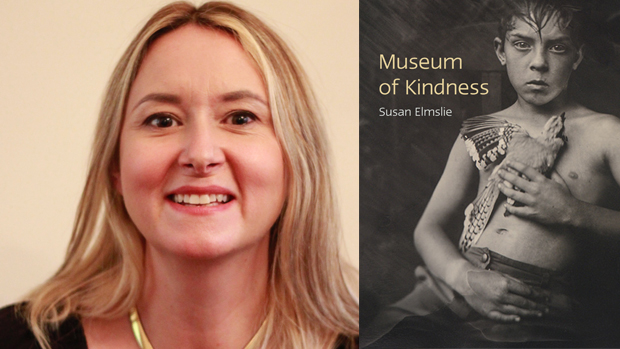
A question from a friend was the catalyst for Museum of Kindness, Susan Elmslie’s latest book of poems. “She asked me, ‘What’s your genre?’” the poet recounts, “And she meant, essentially, what metaphor speaks to where you are in your life right now?”