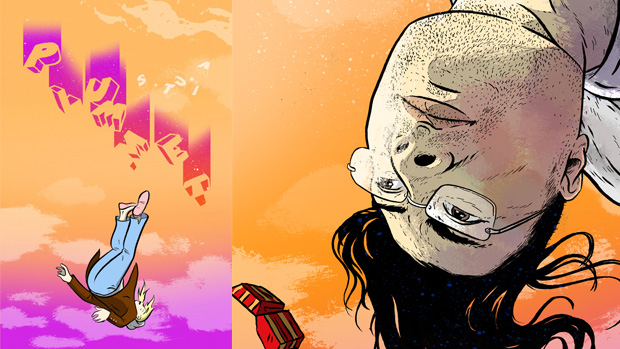
Sherwin Tjia’s latest, the graphic novel Plummet, is the surreal story of a woman who wakes up to find herself, along with assorted other people and objects, in a state of continuous freefall.
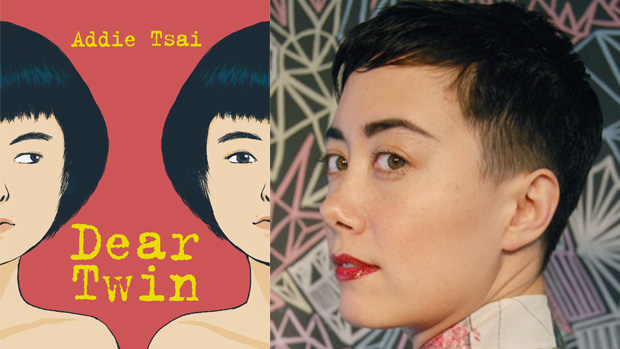
Addie Tsai’s journey towards publishing Dear Twin, her first book, has been circuitous – with many side roads, some dead ends, and plenty of footnotes, not unlike the novel itself.
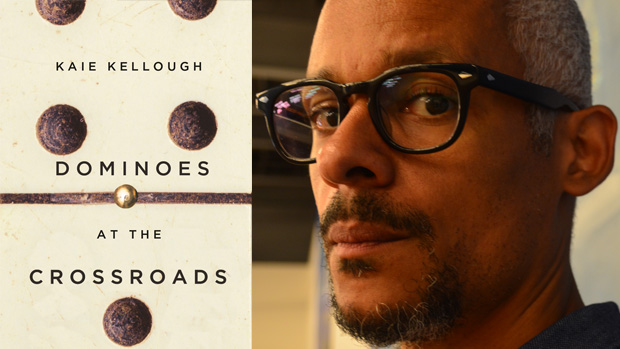
Kaie Kellough can be serious. His general demeanour is that of considered statements and well-placed pauses. He speaks like a poet. The thing is, spending too much time enjoying the way he puts sentences together, both on the page and in person, means that the accompanying sly humour can be missed.
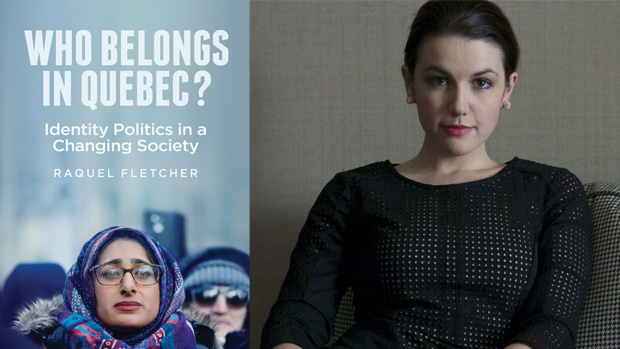
Who Belongs in Quebec?: Identity Politics in a Changing Society closely examines recent political developments and landmark events in Quebec, including the 2018 election of the Coalition Avenir Québec (CAQ) majority government, debates around Quebec’s Charter of Values, and the secularism law, Bill 21.
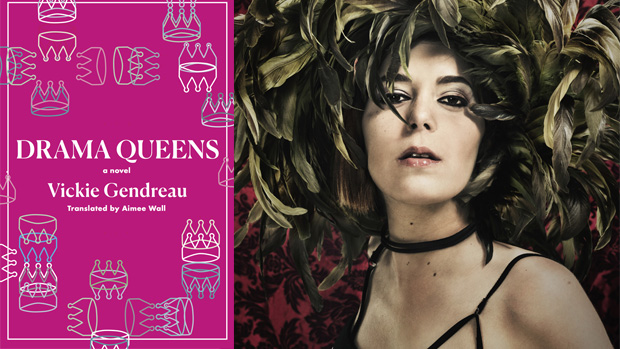
Vicki Gendreau operates in a mode that oscillates between nihilism and sincerity, a whirl of impenetrable irony. Nothing Gendreau writes is true or serious, but everything is.
Every aspect of the book, from its plot to its construction, speaks to its title. The words are strung together delicately, reflecting on the fragility of life, questioning the purpose of this human existence.
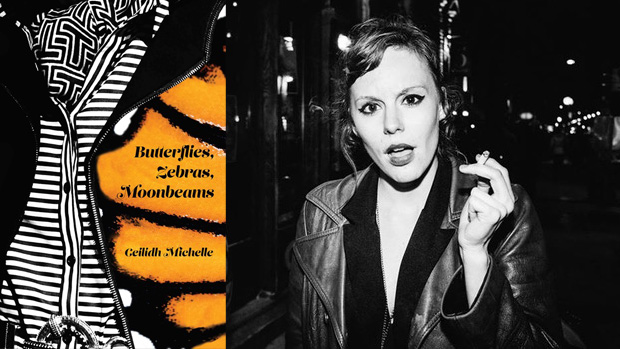
Butterflies, Zebras, Moonbeams, the debut novel from Ceilidh Michelle, follows B, a “not yet [...] but soon” musician, as she wanders through the apartments and lovers of her twenties.
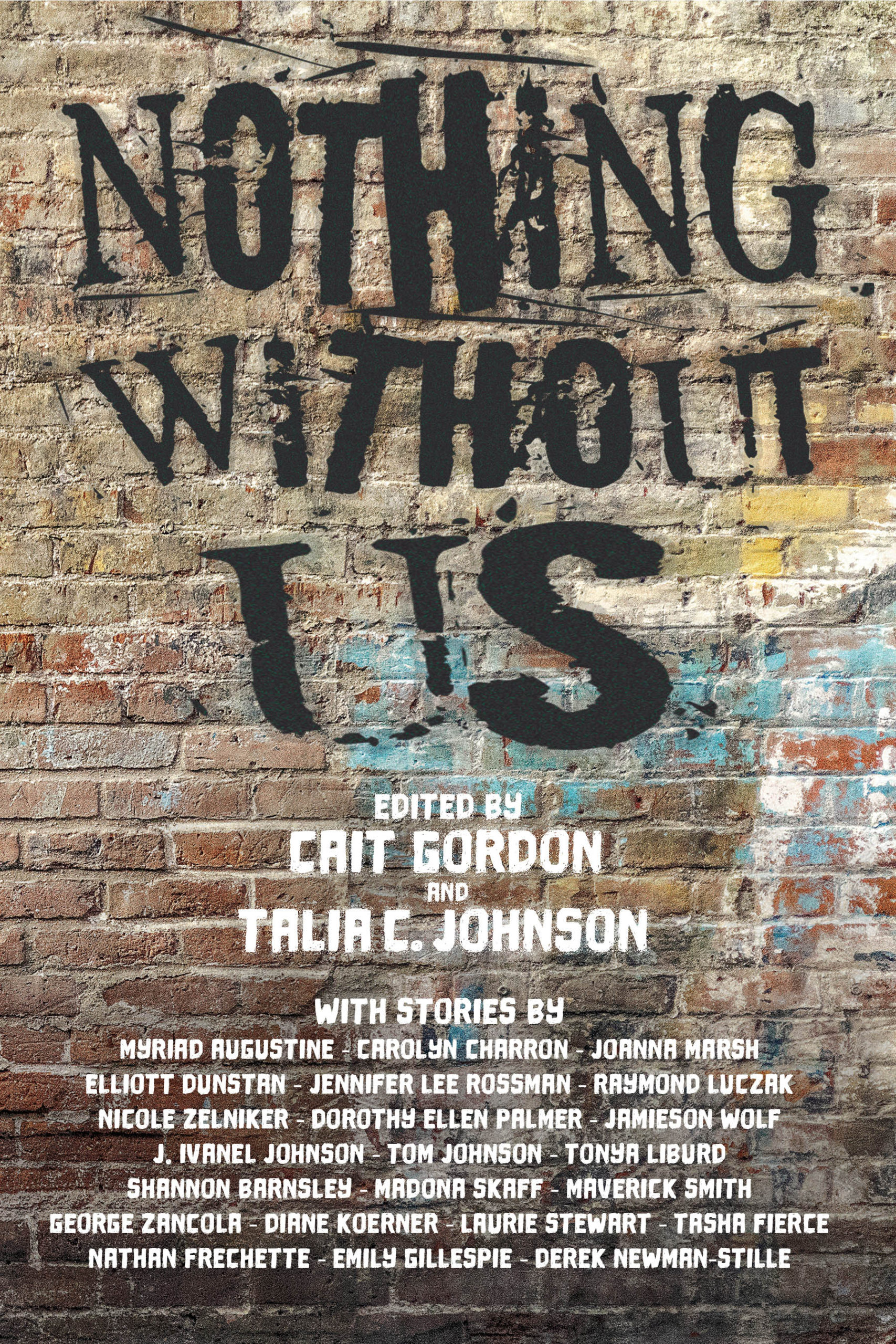
The manifesto of plucky editors Cait Gordon and Talia C. Johnson for this anthology was to gather great short stories that not only centre the disabled experience (all main characters are disabled, Deaf, neurodiverse, spoonie, and/or managing mental illness or chronic conditions), but also buck the tired tropes that dominate disabled representation.
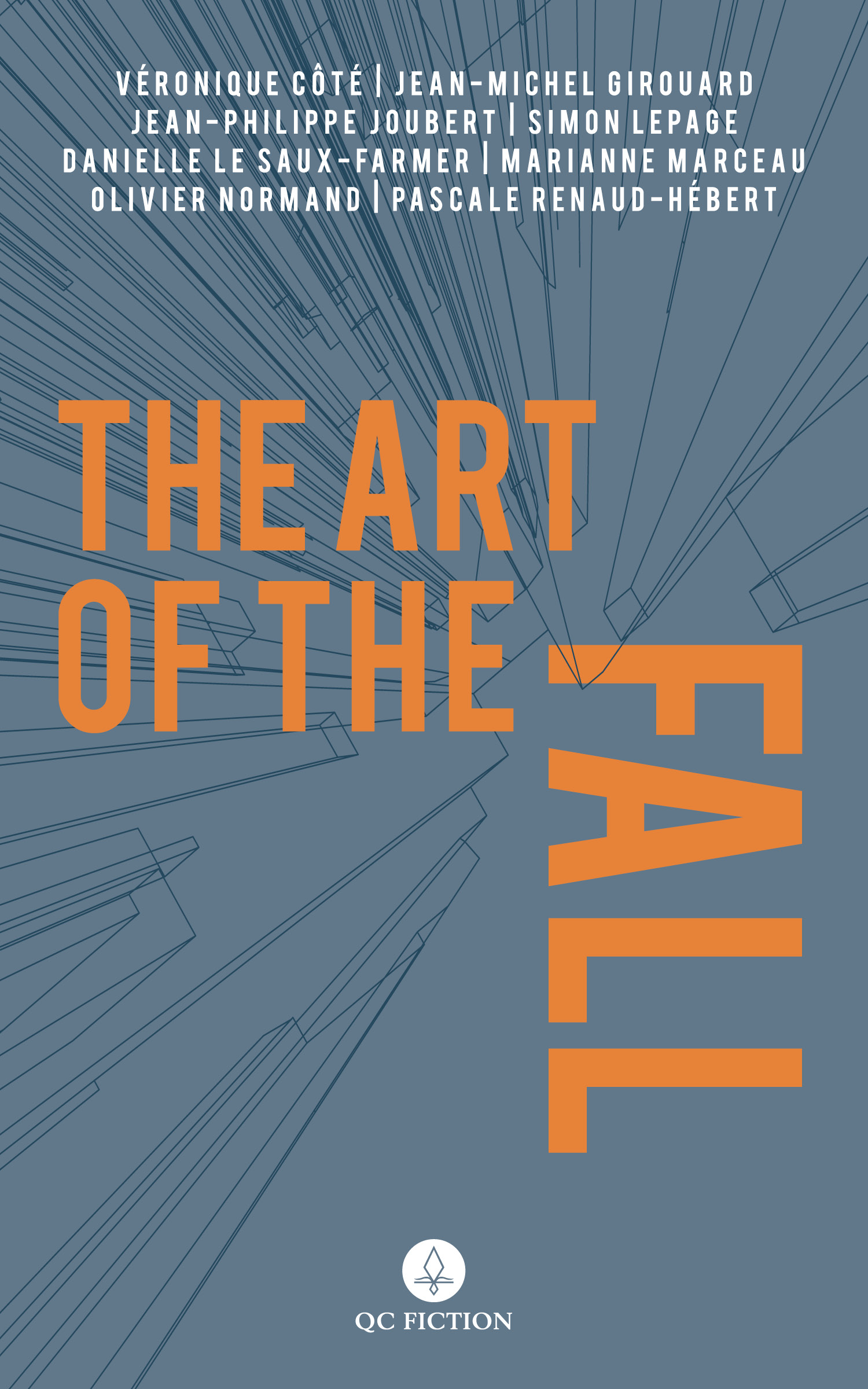
What makes art valuable? How do we value art? How do we value ourselves? These are the themes that run through The Art of the Fall, a compelling and engaging play that dissects the financial crisis of 2008 through the lens of the contemporary art world.
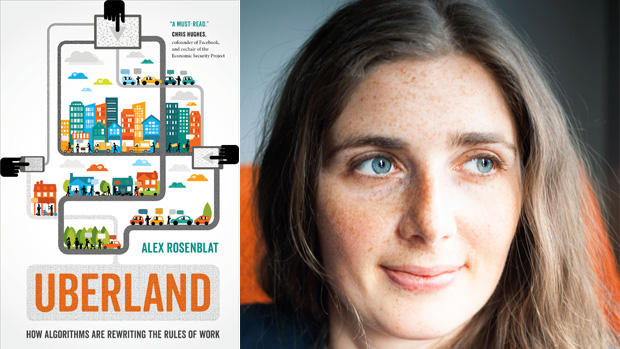
It’s hardly news that “sharing economy” tech – Uber, Airbnb, gig services like Fiverr, sponsored social media content – is changing how we live and earn a living. But somehow their politics seem fuzzy. Are they democratizing the means of production or nudging hard-working folks out of steady jobs? Creating opportunities or entrenching new forms of control? Disrupting calcified service sectors or sidestepping labour laws? In short, are they freeing us or exploiting us?
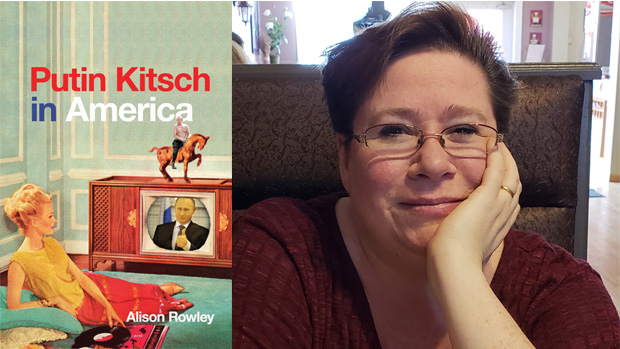
It’s 2020, and you can find everything you need – and tons of stuff you don’t – on the internet. For Alison Rowley, professor of Russian history at Concordia University, the stuff she’s after features images of a shirtless Vladimir Putin riding a bear, catching a tan, or wading hip-deep into a freezing Siberian river.