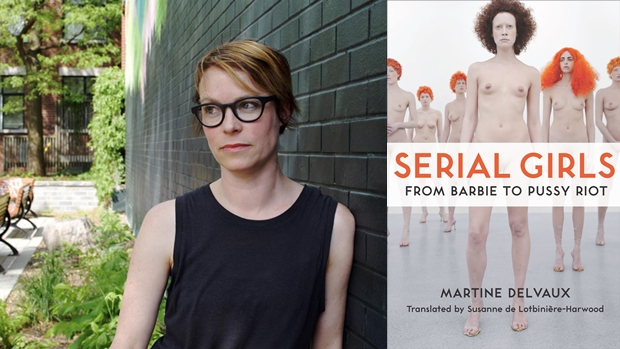
What does it mean when images of femininity are staged as near clones or repeating figures? That’s the question novelist and UQAM professor Martine Delvaux tackles in Serial Girls: From Barbie to Pussy Riot, recently translated into English by Susanne de Lotbinière-Harwood.
Songs Upon the Rivers engages readers in an important and timely conversation about the legacies of French colonialism in North America, but its unorthodox methods and questionable historical approach should leave readers with more questions than answers.
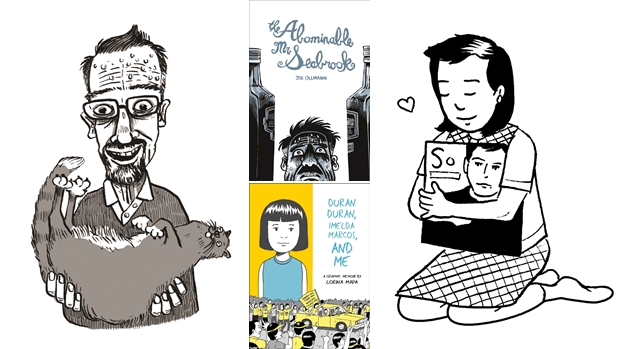
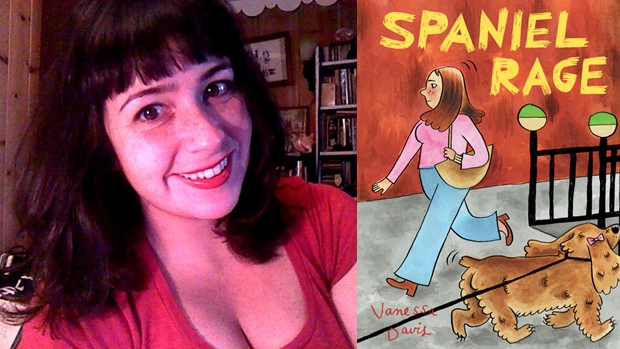
Cartoonist Vanessa Davis made a big name for herself in 2010 with Make Me A Woman, a relatable, endearing, and funny book. Spaniel Rage, which was Davis’s first attempt at comics, contains hints of her work to come.
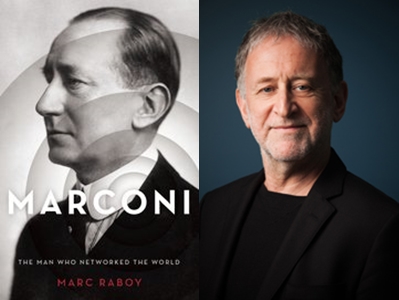
The Montreal Review of Books invited Marc Raboy, author of Marconi: The Man Who Networked the World, to answer a few questions about Guglielmo Marconi’s enduring significance and the experience of writing his biography.
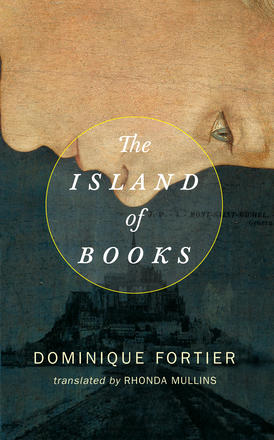
Dominique Fortier's novel, The Island of Books, translated into English by Rhonda Mullins, undulates between present and past, fact and fiction, faith and the fantastical.
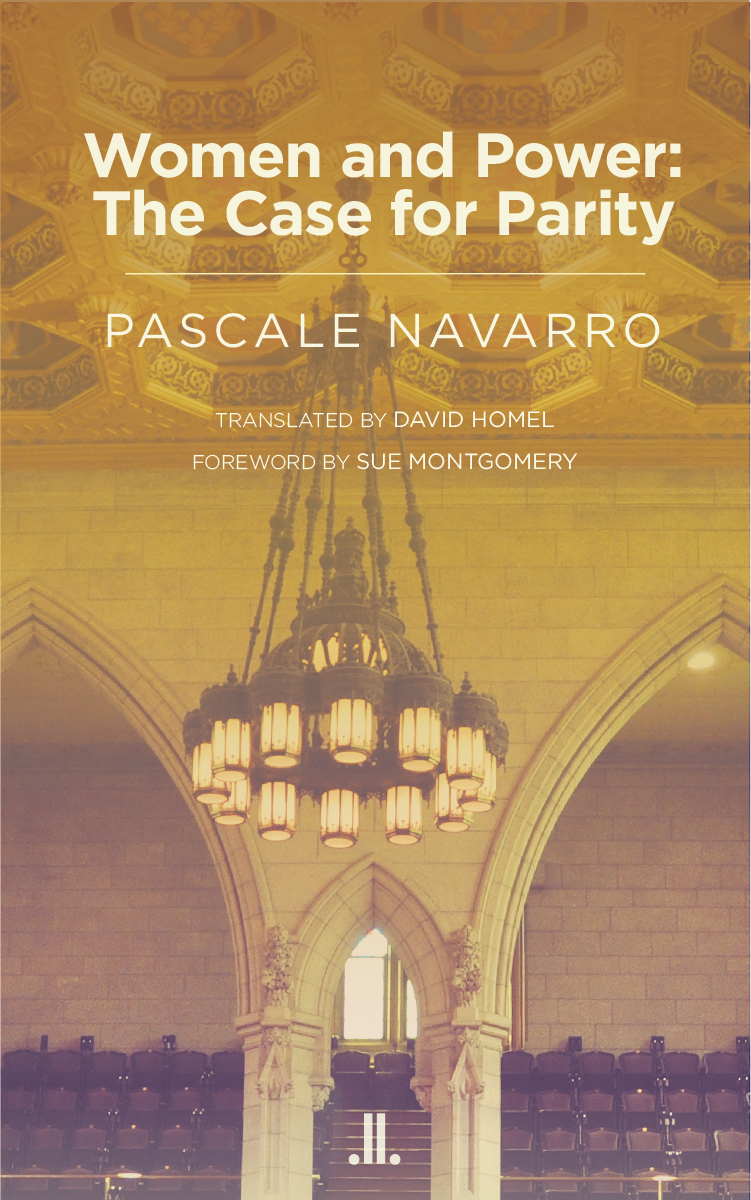
Women and Power packs an impressive amount of information into a few pages, serving as an astute update on the issue of gender parity in Quebec and Canada. But beyond just taking stock, the book advances an appealing vision.
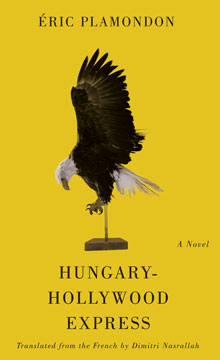
Fragment follows fragment like thoughts in a mind suspended between waking and sleeping, and again and again the book returns to the life of actor and Olympian Johnny Weissmuller. And yet this novel, the first part of a trilogy, isn’t a difficult read. The prose is translucent, flowing, beautifully translated from its original French by Dimitri Nasrallah.
[dropcap]W[/dropcap]e all have family mythologies. Those stories told and retold of previous generations: a grandmother who survived perils to immigrate to North America, or the tale of how our parents found each other. These stories colour how we see ourselves and the world around us. They’re often born out of struggle, or loss, and we defend their veracity as we would our very honour, no matter how distorted they may become with the retelling. In the novel Brothers, David Clerson harnesses the power of these stories and amplifies it with the force of fable to create a tale of violence, loss, revenge, and ultimately rebirth.
Will McClelland’s self-published debut novel The Minted is set in a surreal futuristic Canada, where animals talk and the country is under the control of a shadowy villain named Argent. The story takes place during “The Great Burning” of the early 2030s, when an uprising of wild animals, led by an immortal moose, briefly cripples the infrastructure of the nation’s cities and towns.