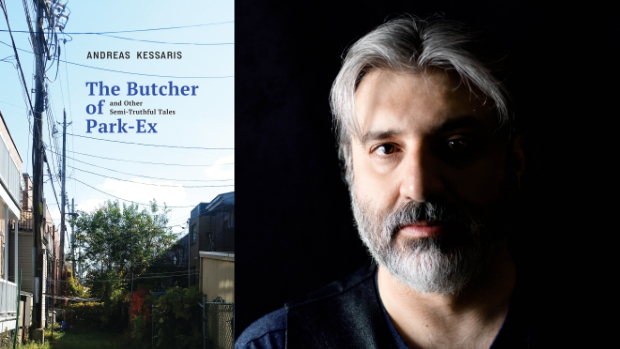
The stories in The Butcher of Park Ex and Other Semi-Truthful Tales, Andreas Kessaris’s book of autobiographical essays, feel pleasantly familiar. For Montrealers, the liberal use of local landmarks and street names helps contribute to the impression that we’ve been here before; over the course of the collection, he attends parties on Clark Street, peruses record stores on Ste. Catherine’s, and recalls childhood trips to the Fairview centre in Pointe-Claire and Les Galeries d’Anjou.
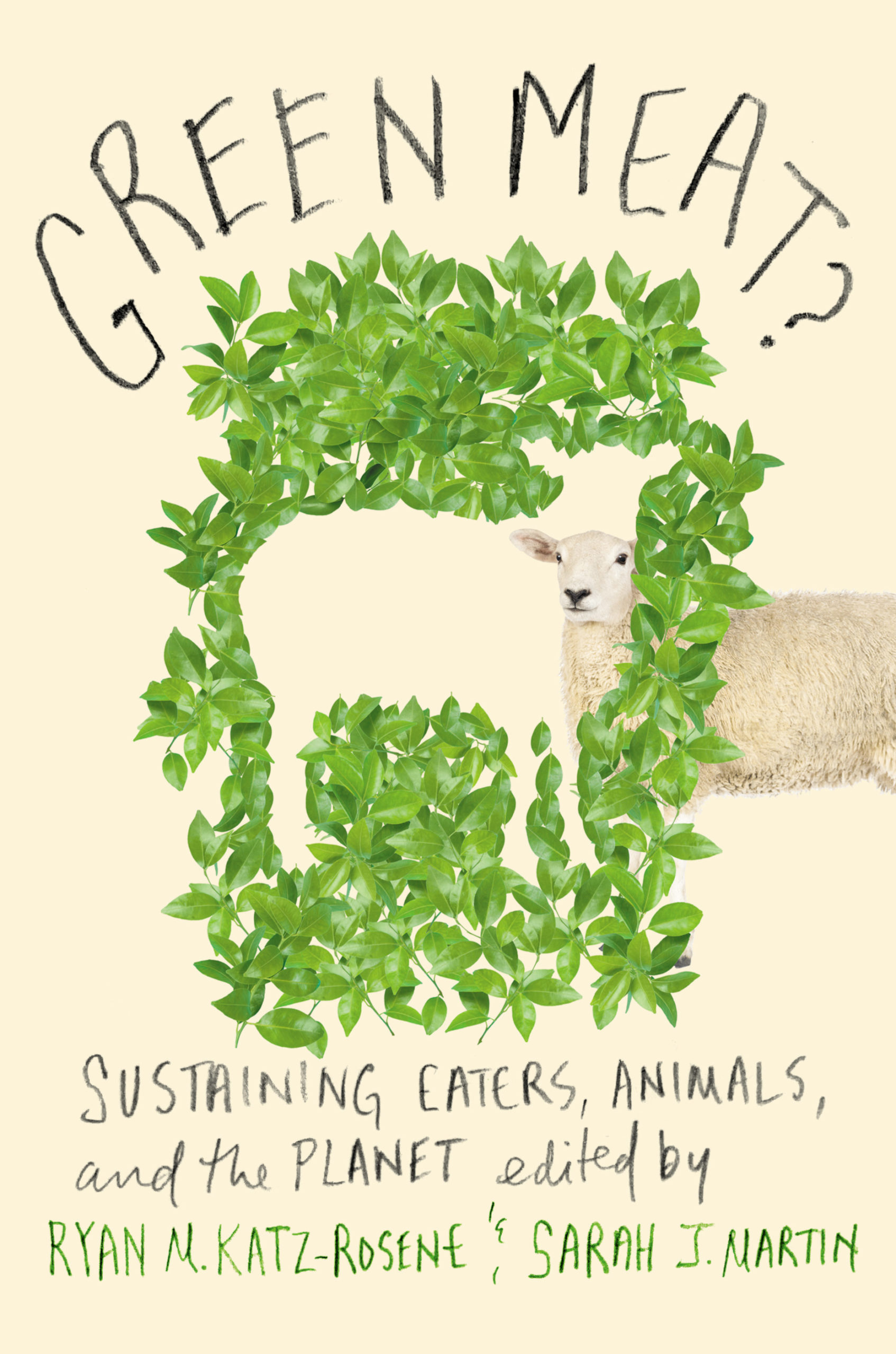
The knot of urgent issues that ties together hunger, environmental crisis, and animal exploitation gets more tangled every day. Among its most visible strands is the question of the production and consumption of meat.
Frédérick Lavoie is a Quebec writer and journalist whose political engagement is deep-rooted: he once spent time in a Belarus prison for the offence of confronting corruption there. Hardly surprising, then, that he found his interest piqued by the republication in Cuba, after a decades-long absence, of Orwell’s 1984, and made three trips to the island to investigate. The result won the 2018 Governor General’s Literary Award for French-language Non-fiction in its first edition; now, no less timely for the lag, it gets its English translation.
In Stories of Women in the Middle Ages, independent scholar Maria Teresa Brolis seeks to introduce the lives of women in the Middle Ages by telling the story of sixteen women who lived between the twelfth and fifteenth centuries in France, Germany, Sweden, and Italy.
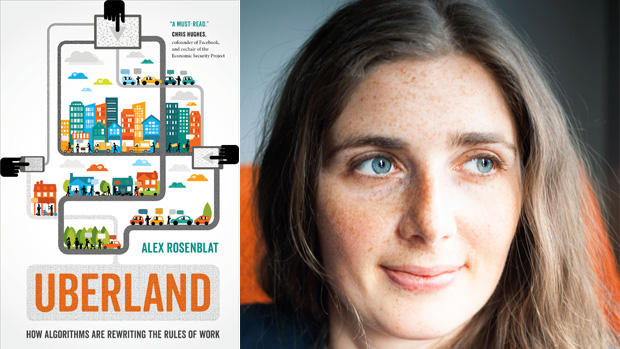
It’s hardly news that “sharing economy” tech – Uber, Airbnb, gig services like Fiverr, sponsored social media content – is changing how we live and earn a living. But somehow their politics seem fuzzy. Are they democratizing the means of production or nudging hard-working folks out of steady jobs? Creating opportunities or entrenching new forms of control? Disrupting calcified service sectors or sidestepping labour laws? In short, are they freeing us or exploiting us?
It’s 2020, and you can find everything you need – and tons of stuff you don’t – on the internet. For Alison Rowley, professor of Russian history at Concordia University, the stuff she’s after features images of a shirtless Vladimir Putin riding a bear, catching a tan, or wading hip-deep into a freezing Siberian river.
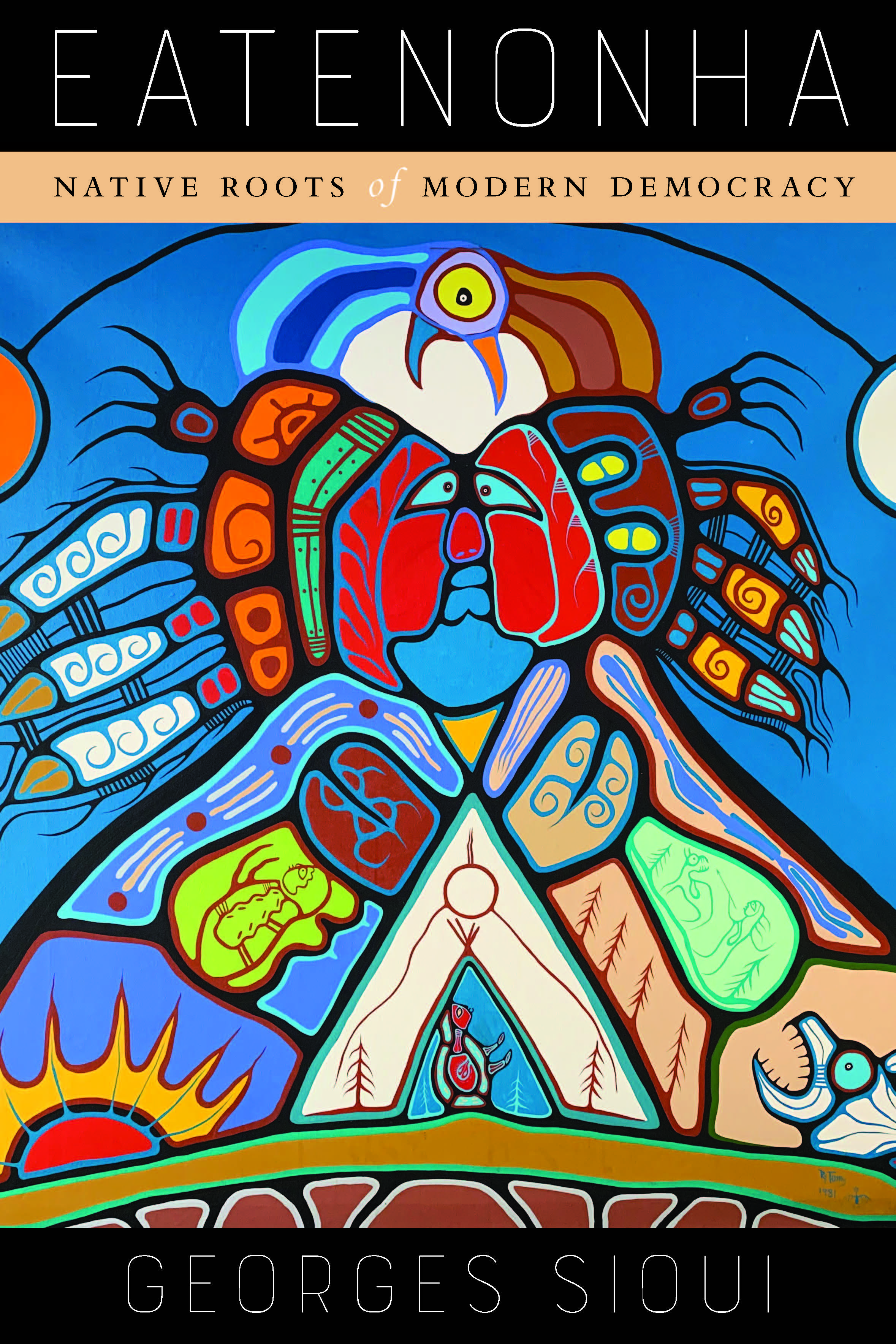
Georges Sioui’s Eatenonha: Native Roots of Modern Democracy promises to retell the history of Canadian democracy by tracing its origins back to Indigenous confederations that pre-existed the arrival of Europeans. It’s an exciting promise. Closely related to this effort is a second goal, which is to challenge the Canadian textbook histories that he finds grant an outsized role to the Hodenosaunee Confederacy and ignore the Wendat Confederacy almost completely.
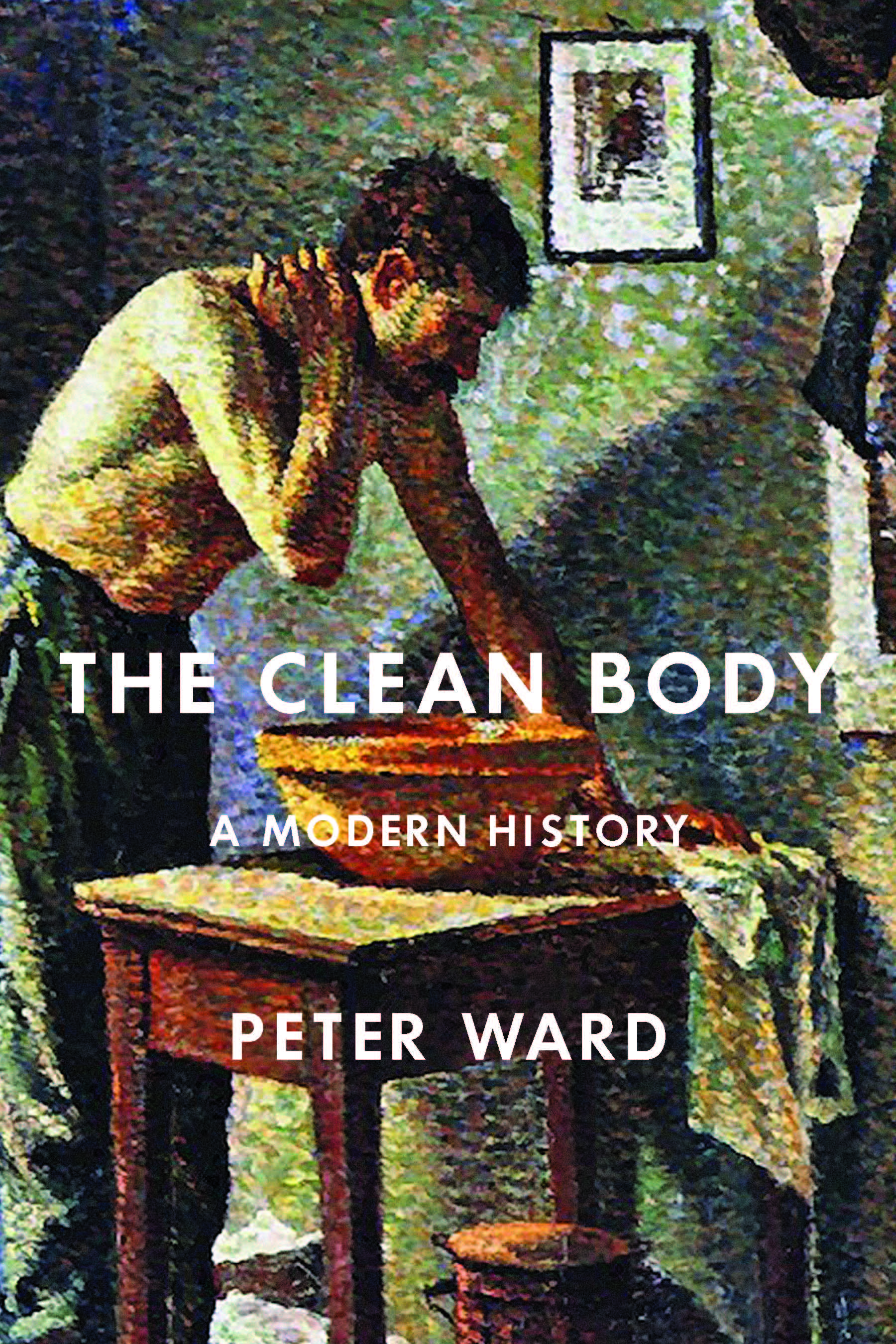
Throughout modern history, the concept of hygiene has shifted, going from mere outward appearance (distinguishing the rich who had time and money to get their clothes washed from the poor who didn’t) to the idea of cleanliness for health (with the discovery of germs) before becoming an easily purchased sign of beauty and a daily routine.
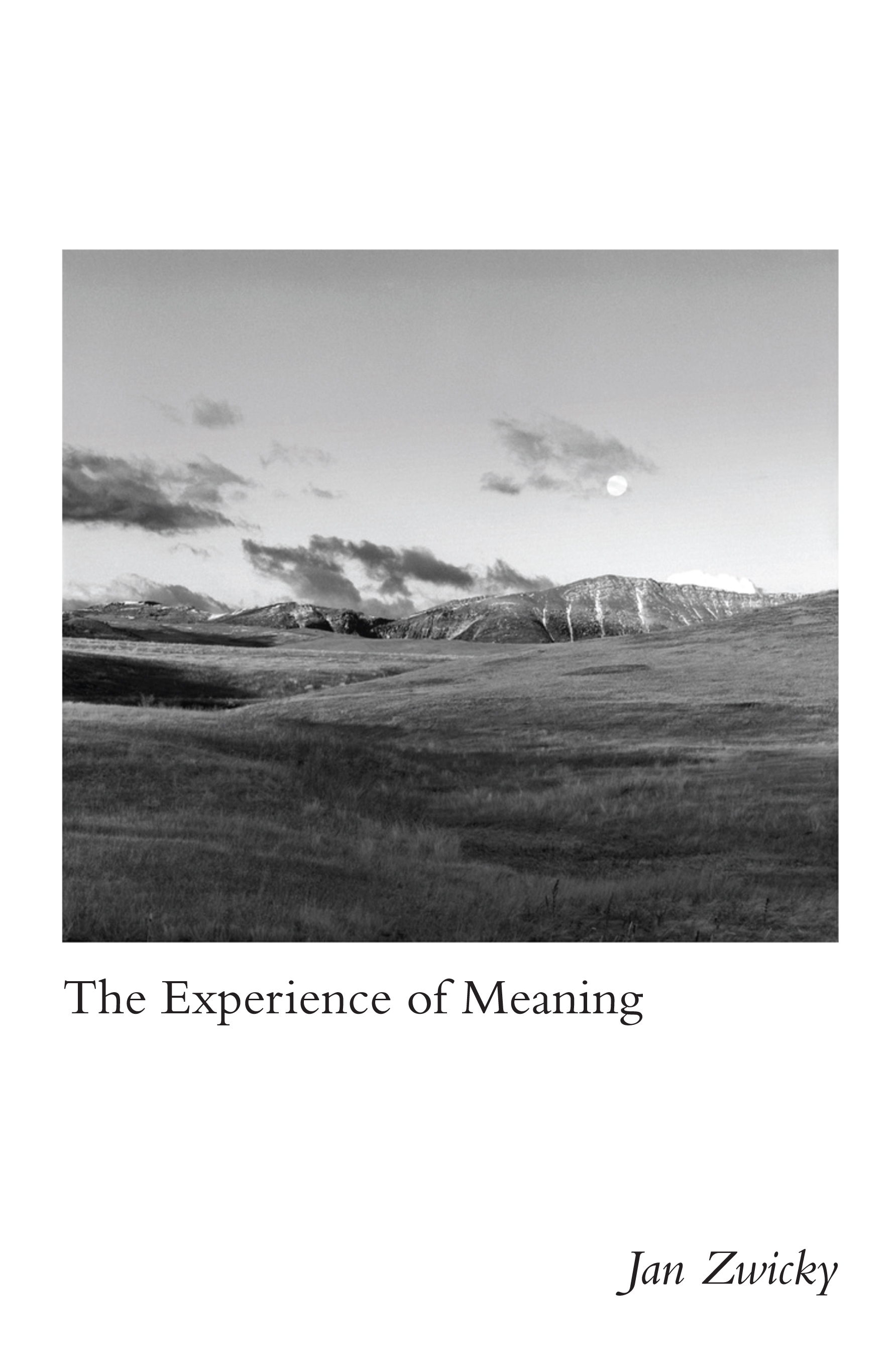
My friend picked up Jan Zwicky’s The Experience of Meaning for me on the morning I had what I thought might be the first signs of labour. Were these period-like cramps early contractions, I wondered? What is labour and how do you know when are you in it? It’s a question thick with meaning; reading Zwicky’s book in this liminal time changed the way I thought about and sought to answer this question.
Does nationalism make us small, even if we try to confine it to coffee, football, and grilled meat? Why didn’t Communism make us better? Why is ownership fatal while belonging is salvific? Who exactly is supposed to forgive you when you leave home? Do all children more or less consciously live out an allegiance to their parents’ beliefs? And are the contradictions between the remembered past and the necessary present impossible to reconcile?