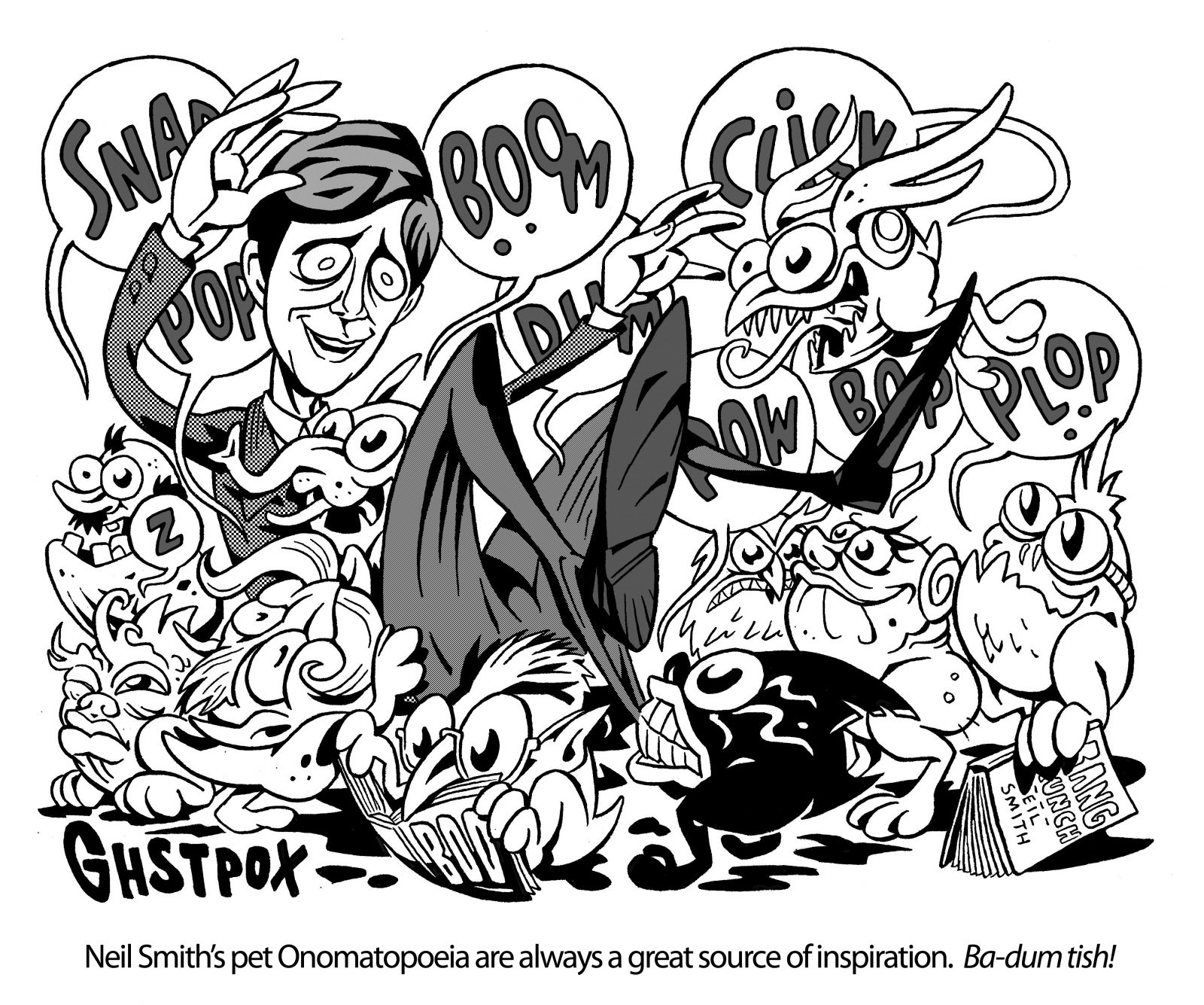
Joe Ollmann isn’t comfortable with praise. On the back cover of his new book, the graphic novelist professes to blush as he hand-letters glowing testimonials from fellow cartoonist Seth and culture journalist Jeet Heer. But if the collection Happy Stories About Well-Adjusted People is anything to go by, he’d better get used to such things
Montreal’s Véhicule Press has a reputation for publishing strong, modern, stylistically original fiction by new writers, and Anita Anand’s debut collection, Swing in the House and Other Stories, published under the revamped Esplanade Books imprint, is very much in keeping with that tradition.
Reading Demonic to Divine compels reflection upon motherhood, mental illness, and the links we tend to draw between them. The book compiles diary entries and autobiographical writing by Shulamis, a brilliant and charismatic woman who was once the toast of Jewish Montreal. She was also, to go by Hirsch’s commentary, a tempestuous and at least occasionally abusive mother.
Sometimes, the most natural way to grieve a loved one is by grieving someone else. In Guyana, Élise Turcotte examines personal and collective grief, guilt, and dreams through the eyes of three Montreal residents: Ana, her son Philippe, and their hairdresser Kimi.
Denyse Baillargeon’s effort to provide a comprehensive overview in A Brief History of Women in Quebec, from the arrival of Europeans to the present day, produces a concise and clearly erudite introduction to the topic. Despite an attempt to provide a wide-ranging narrative, however, the book’s contents remain slanted towards a more thorough and energetic engagement with the history of the twentieth century.
The legend of Lynda Barry began, for me, when I heard that Matt Groening, creator of The Simpsons, refers to her as “the Funk Queen of the Galaxy” – and even asked her to marry him.
In the Jewish tradition, fragments of worn-out holy books are not discarded when they are past use; instead, they are buried in a cemetery or subterranean storage room. In these underground genizot, the name of God is protected from destruction. The holy fragments – sheymes – provide Elizabeth Wajnberg, a child of Holocaust survivors, with a powerful metaphor for the recollections she patches together in her memoir.
When author and activist June Callwood was asked to provide some words of wisdom for aspiring writers, she responded, “Read, read, read. Forgive your parents.” Blind Spot, by Laurence Miall, is the story of a man who cannot follow the last part of that advice.
The epigraph to Jon Paul Fiorentino’s I’m Not Scared of You or Anything is a quotation from comedian Andy Kaufman: “I never told a joke in my life.” It’s a code of conduct Kaufman undoubtedly followed. He was a prankster and a trickster – audiences sometimes wouldn’t know whether he was performing or not. His characters were strange and childlike, uncomfortable, completely open … and funny.
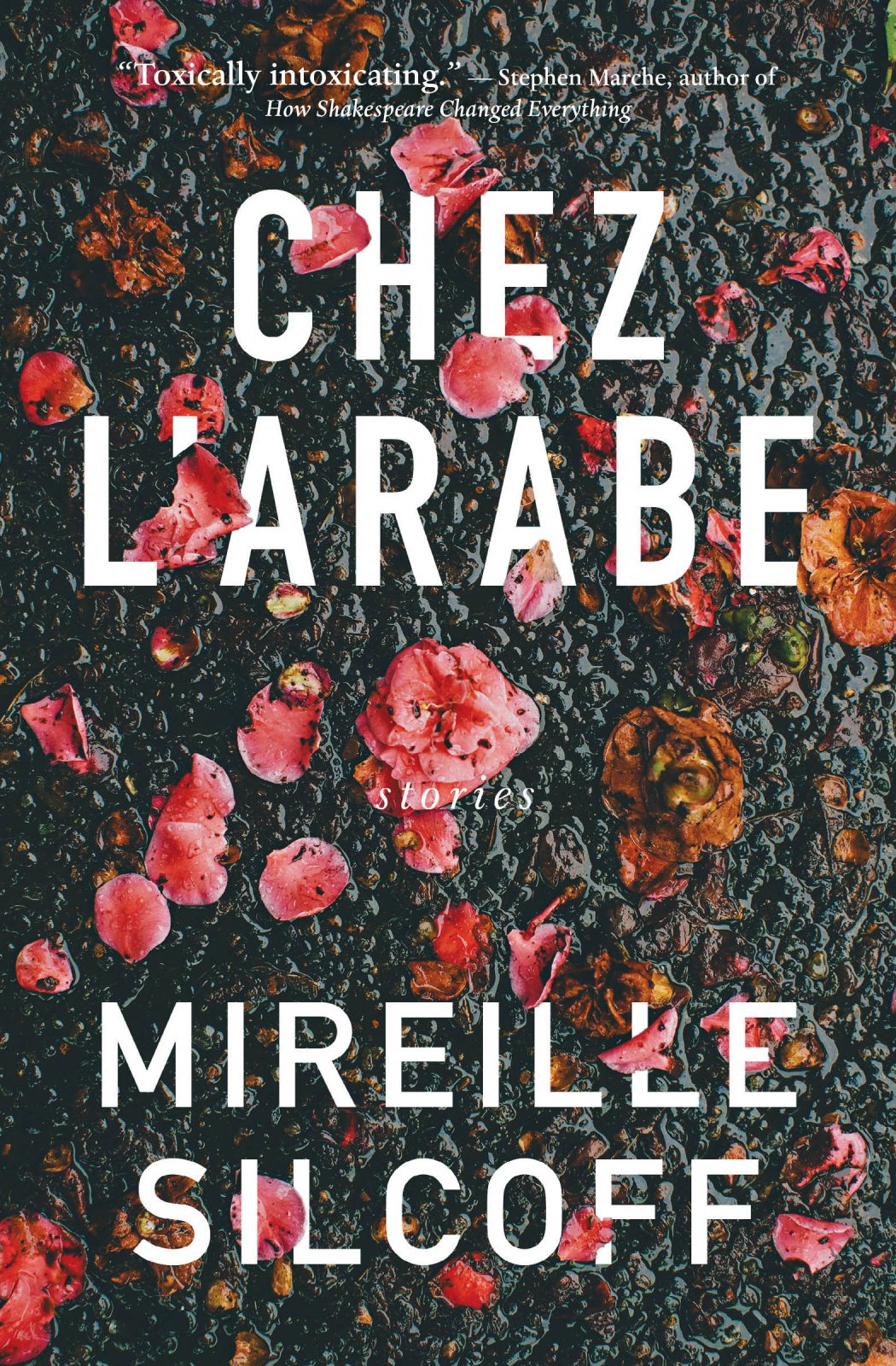
Chez L’arabe, the debut short story collection of National Post columnist Mireille Silcoff, establishes its homegrown credentials early on. Not two pages in, readers will encounter Mount Royal, chemin de la Côte-des-Neiges, potholes, and the narrator’s assumption that “all Montreal Arabs [are] Lebanese,” a throwaway line designed to set up a not-so-surprising revelation about the national origin of two minor characters.